
The Willow Drive Tape
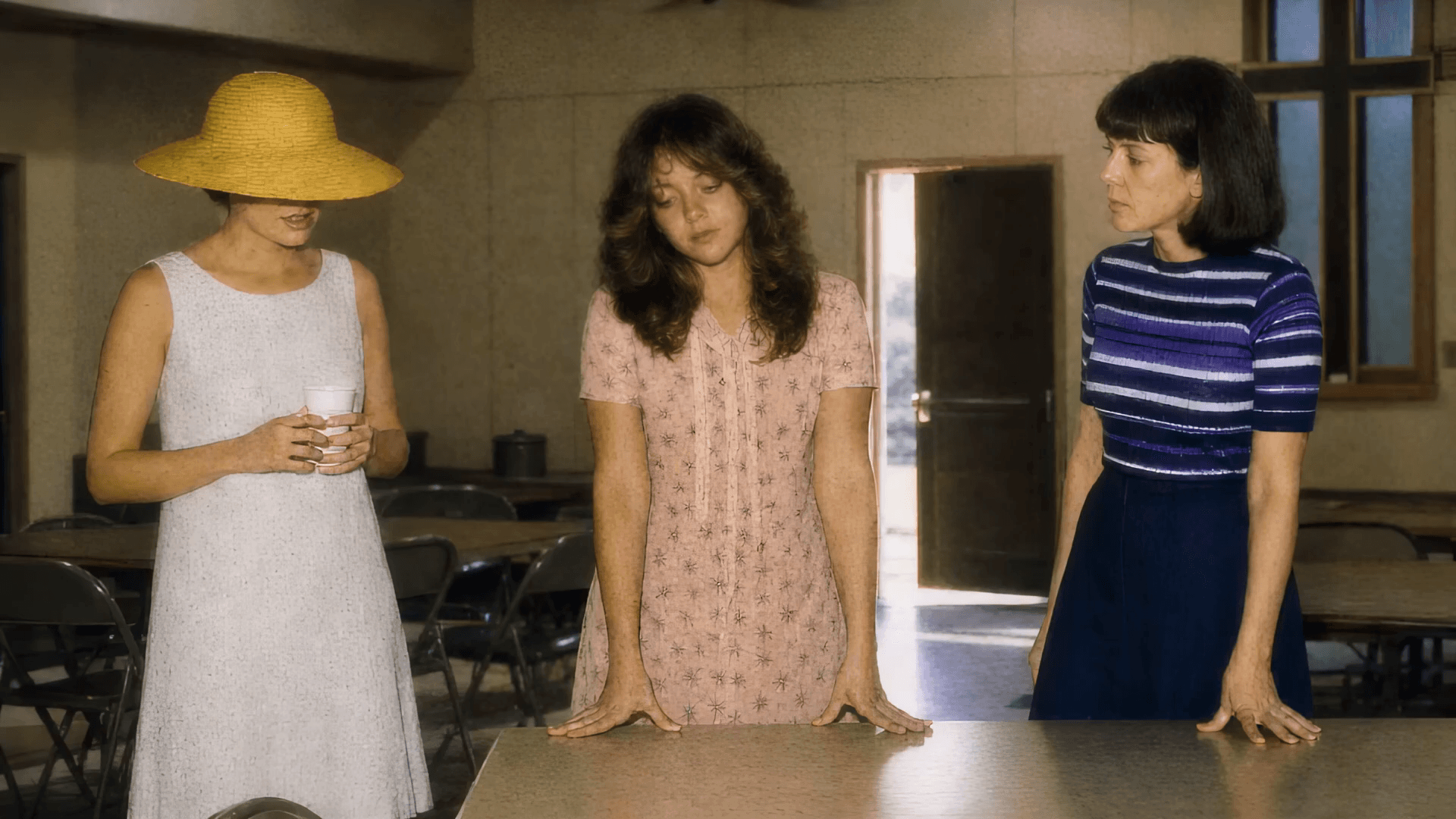
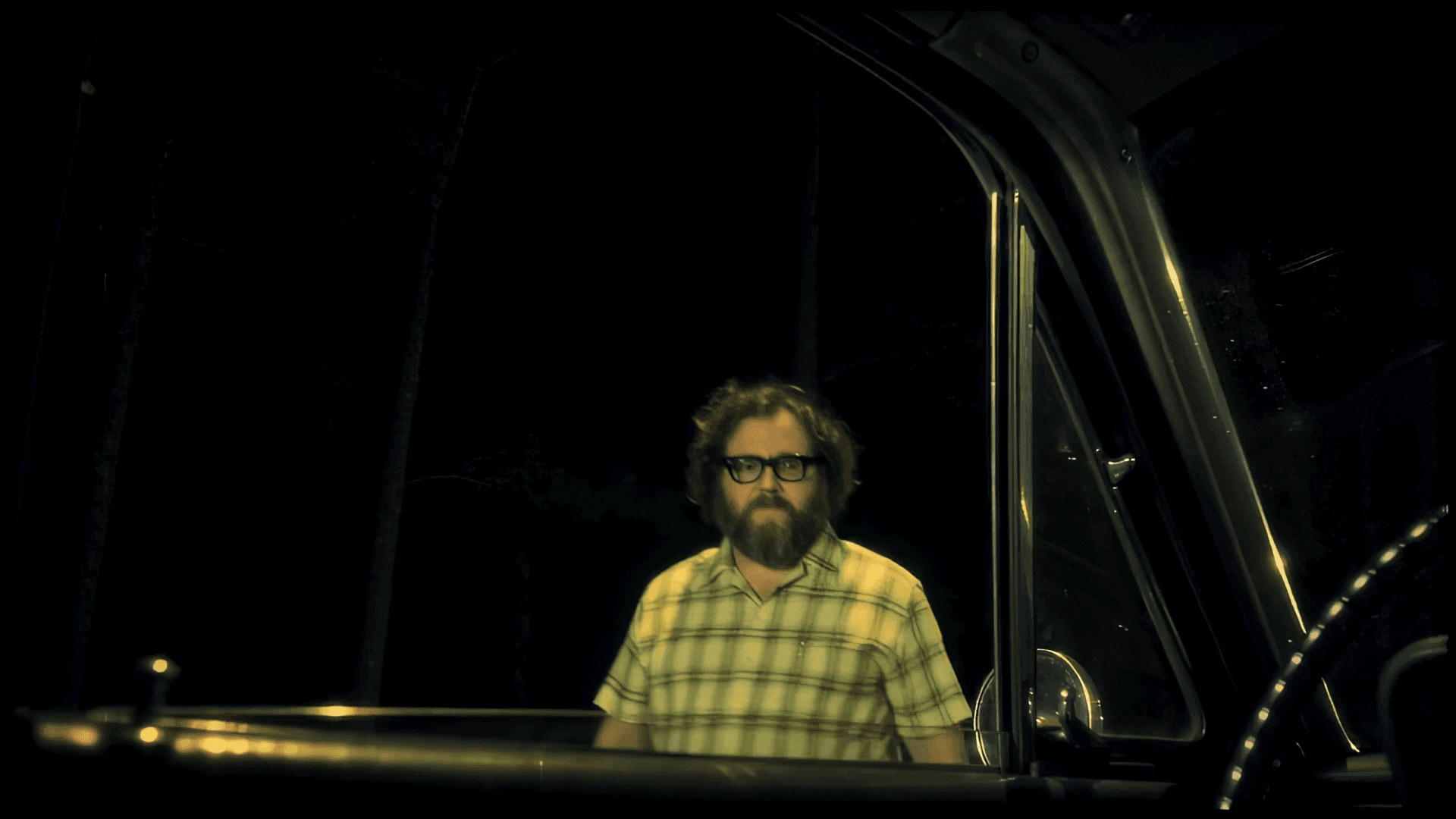
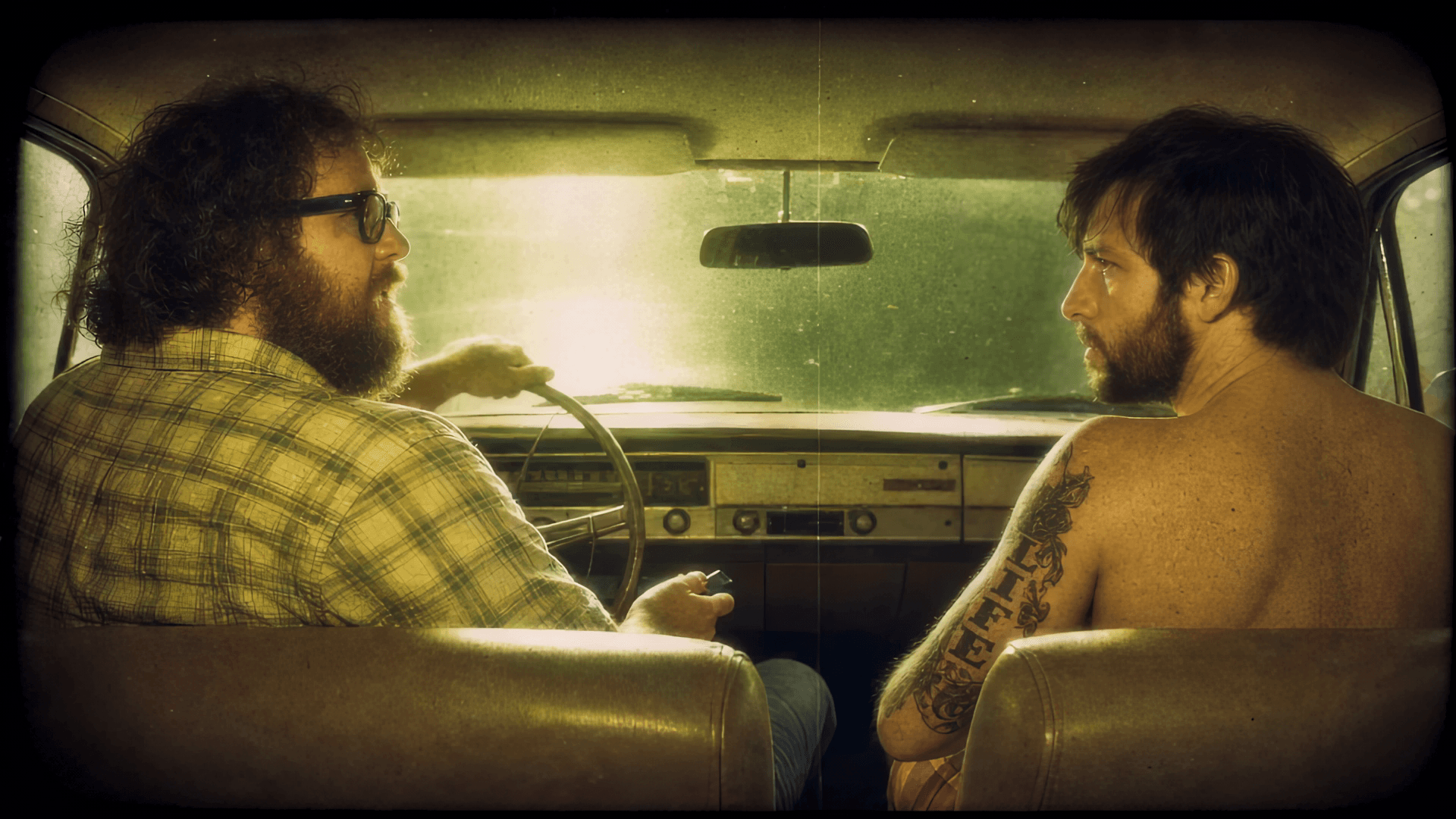
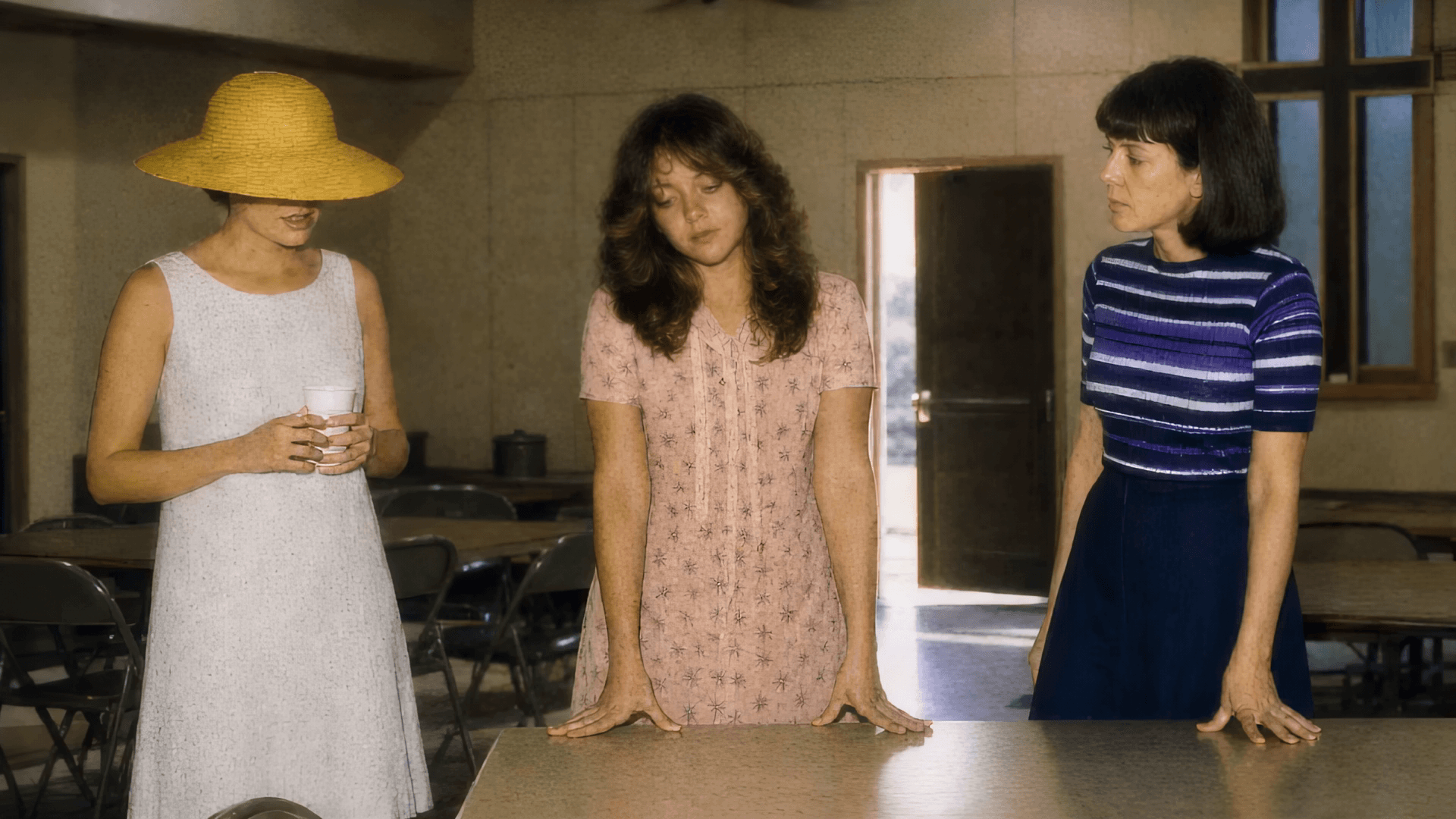
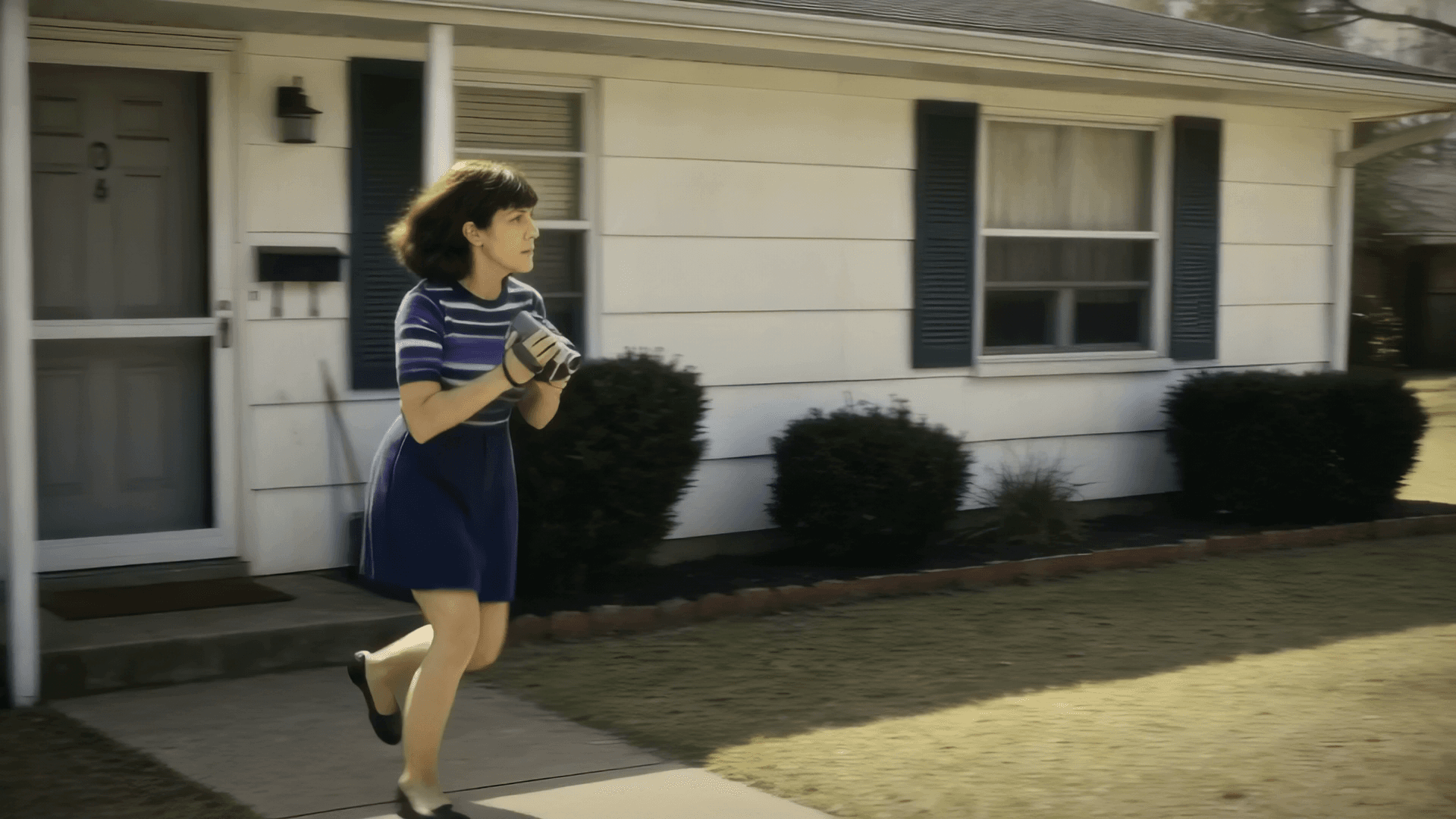
Show Synopsis & Narrative Arc Framed through the voyeuristic lens of corrupted mid-century home movies, this slow-burn psychological true-crime drama chronicles the escalating malice leading to an infamous Stanly County tragedy in September 1975. The narrative tracks Harold George Furr, a volatile real estate broker whose 1973 separation from his wife Earlene devolves into an obsessive, two-year murder-for-hire campaign. Exiled to Western Hills Mobile Home Park and enraged by contempt jailings, a $13,623 settlement, and $250 weekly support payments, Harold systematically attempts to orchestrate Earlene's murder before upcoming court hearings: * Jailhouse Pacts & Route Reconnaissance: While in county lockup, Harold connects with Marcus Clontz and Robert Lee. Upon release, he promises Lee $3,000 cash and offers Clontz an auto-storage lot to commit the crime, repeatedly driving them along the four-minute, forty-second route to Willow Drive to diagram access points and demonstrate his electronic garage remote. * The Expanding Hit List: Harold approaches Eugene Baker and local racing figure "Johnny" Goodwin in search of a professional hitman. His targets expand from Bobby Daniel Smith (seeking revenge for Mary Smith's death) to Earlene and her attorney Warren Barbee, dismissing warnings about "too much heat" by insisting his mother and girlfriend Marsha Aldridge provide an unbreakable alibi. * Hostility & Threats: Fueled by disputes over property lines and discarded racing equipment, Harold escalates his intimidation—urging Janine Aldridge to torch Earlene's vehicle, warning his daughter Beverly he will "grind Earlene like hamburger meat," and threatening his brother-in-law David Orrell that he will make her suffer. Across town, Earlene endures an isolating, suffocating dread beneath the static glow of suburban routine as Harold times his alibi runs toward Salisbury. Stripping out all courtroom trials and post-crime legal proceedings, the drama focuses entirely on the eerie mechanics of solicitation, concluding abruptly on the morning of September 15, 1975—where an unlocked doorway and a broken watch crystal leave the tragedy suspended in archival rot. Style & Aesthetic Profile * Visual Medium: Degraded 1970s Super 8/8mm Ektachrome color reversal film with telecine transfer artifacts to early magnetic tape. * Lighting & Optical: Harsh tungsten photoflood light bars mounted directly to the camera, producing severe optical vignetting, crushed peripheral shadows, and blown-out center hotspots. * Color Palette: Chemical dye degradation characterized by sulfur-yellow and bilious lime-green halation, faded lavender twilight, and jaundiced skin tones. * Artifacts & Wear: Phosphor bloom, interlaced analog smearing, soft edge focus, vertical gate scratches, and pillowed 4:3 frame borders. Master Style Keywords 1970s vintage 8mm Ektachrome transfer, harsh photoflood light bar, blinding sulfur-yellow and bilious green halation, chemical dye decay, deep optical vignetting, telecine motion blur, pillowed 4:3 frame, uncanny domestic archival horror, analog found footage
Set against the sweltering, suffocating heat of rural Stanly County, North Carolina between 1973 and 1975, this slow-burn psychological crime drama follows Harold Furr, a volatile and cunning real estate broker whose bitter separation from his wife Earlene curdles into a two-year obsession with orchestrating her murder. Shot entirely in a degraded, voyeuristic 8mm-to-analog aesthetic that makes every sun-bleached frame feel like unearthed evidence, the series tracks Harold's chilling, methodical descent as he casually solicits body shop mechanics, ex-convicts, and small-town acquaintances along a four-minute stretch of backroad, dangling land deeds and cash to anyone willing to make his problems disappear before the final court date. On the other side of the chain-link fence and crackling telephone line, Earlene endures a quiet, mounting terror she can barely name—sensing the rot closing in around her ordinary life without ever seeing its full shape. The show is less about crime than about the banal, domestic machinery of hatred: alibi construction, garage remote openers, support payment ledgers, and the terrifying ease with which ordinary men negotiate the unthinkable. It ends precisely at the threshold of September 15, 1975, letting silence and dread do what no courtroom scene ever could.
Episodes
Clips from this world




Keep watching on Showrunner
Watch nowShowrunner Television runs a channel of shows like this one, on a global clock. See what’s on air.