
Community Transhit
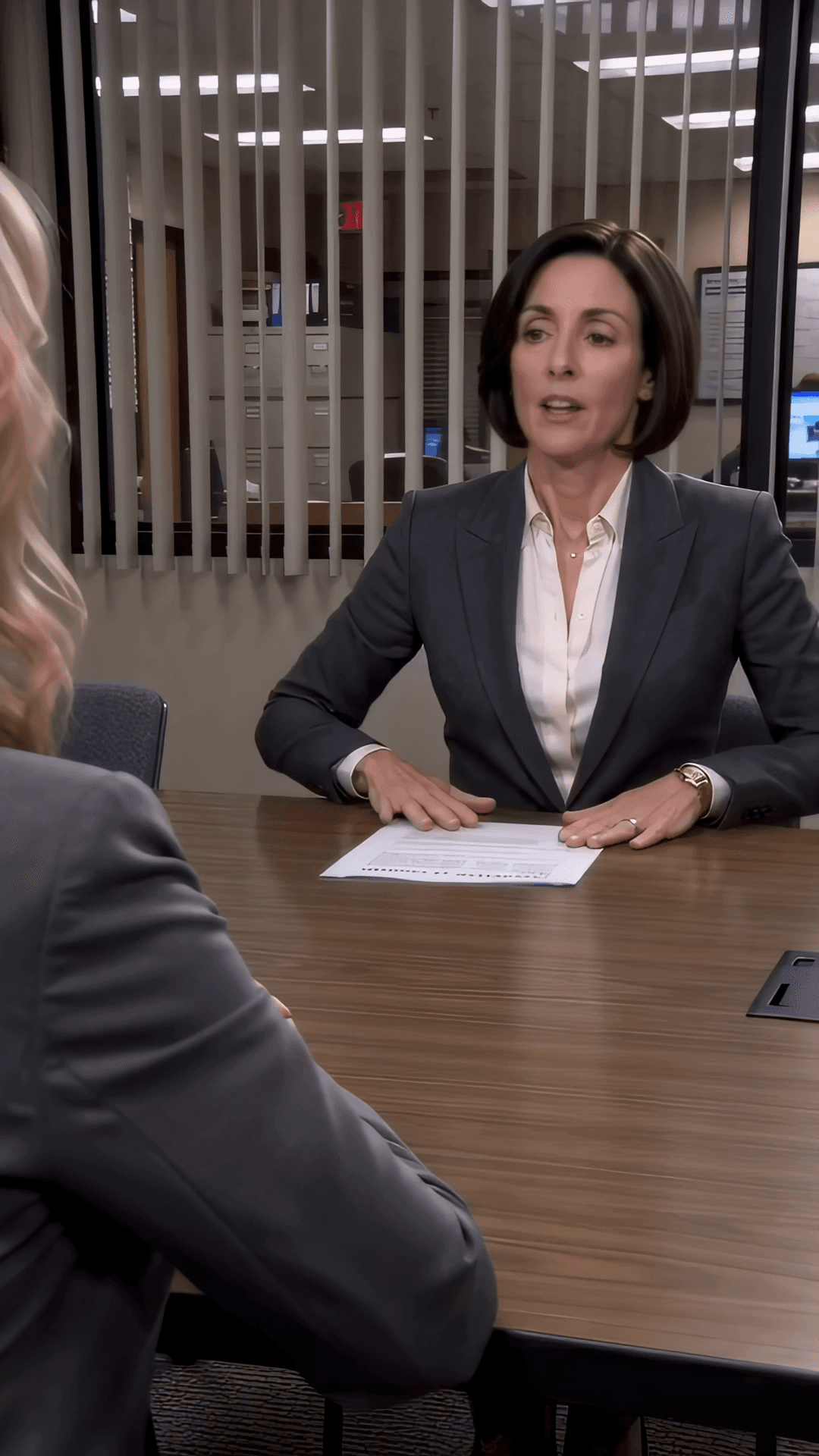
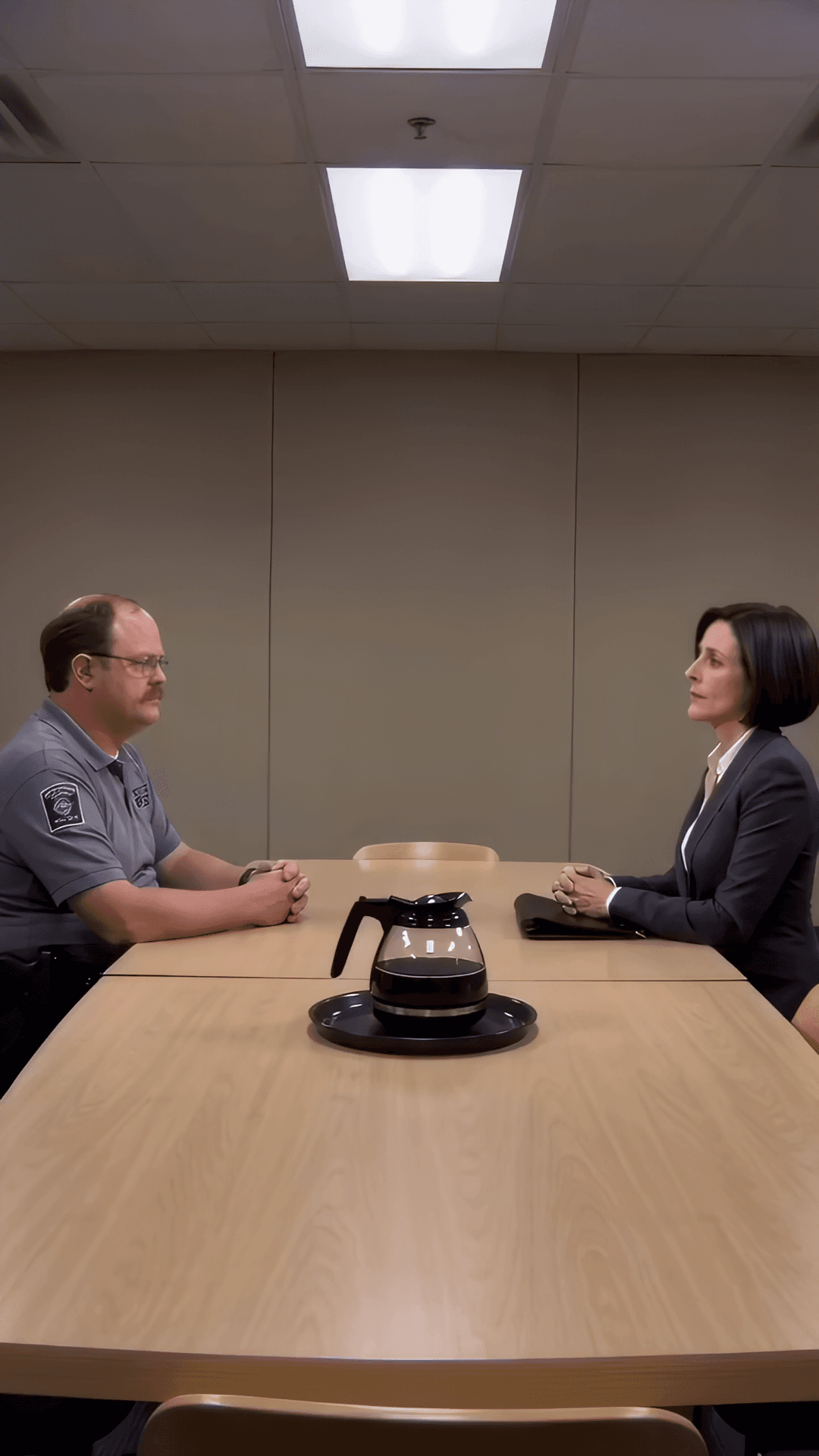
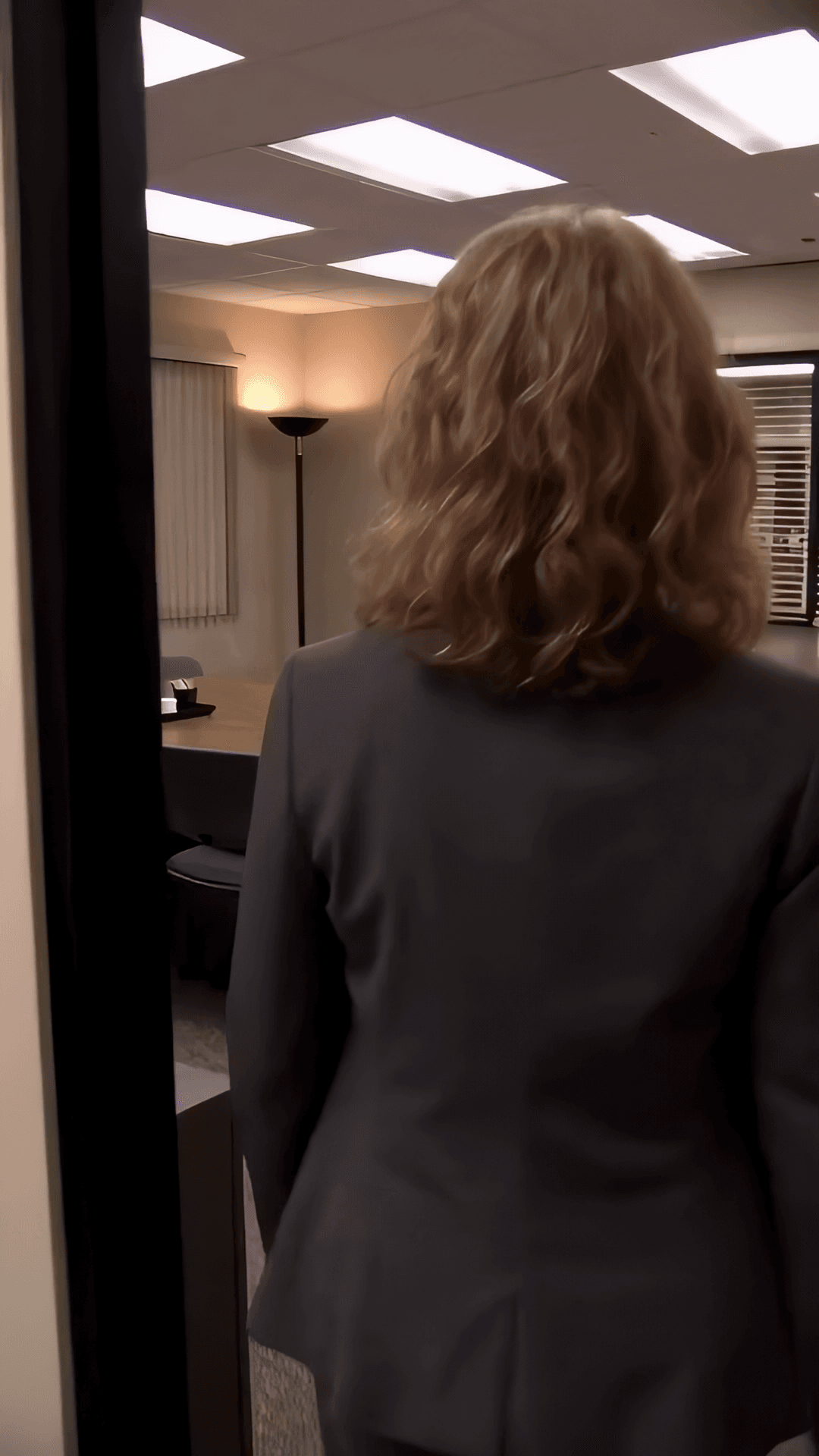
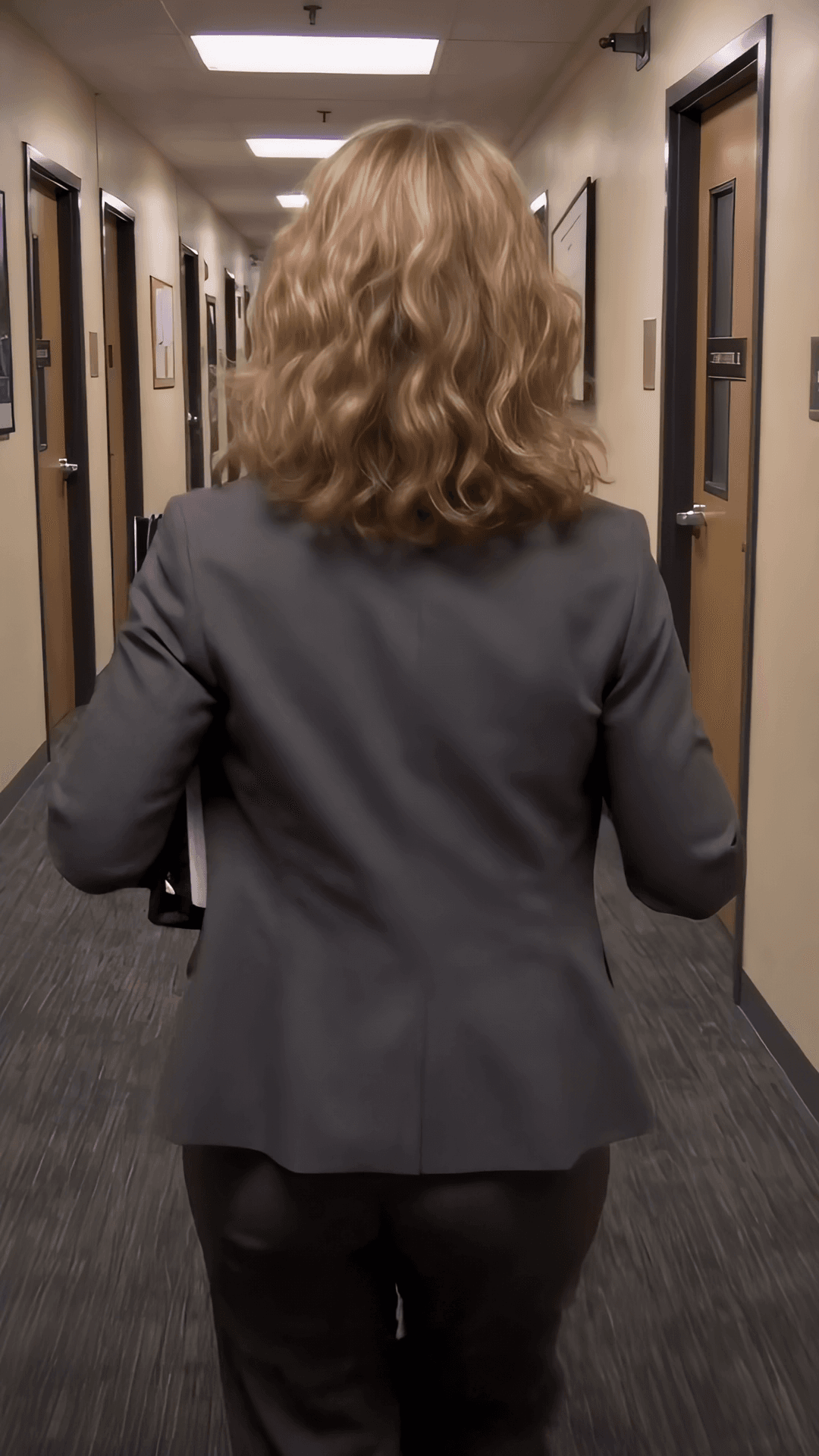
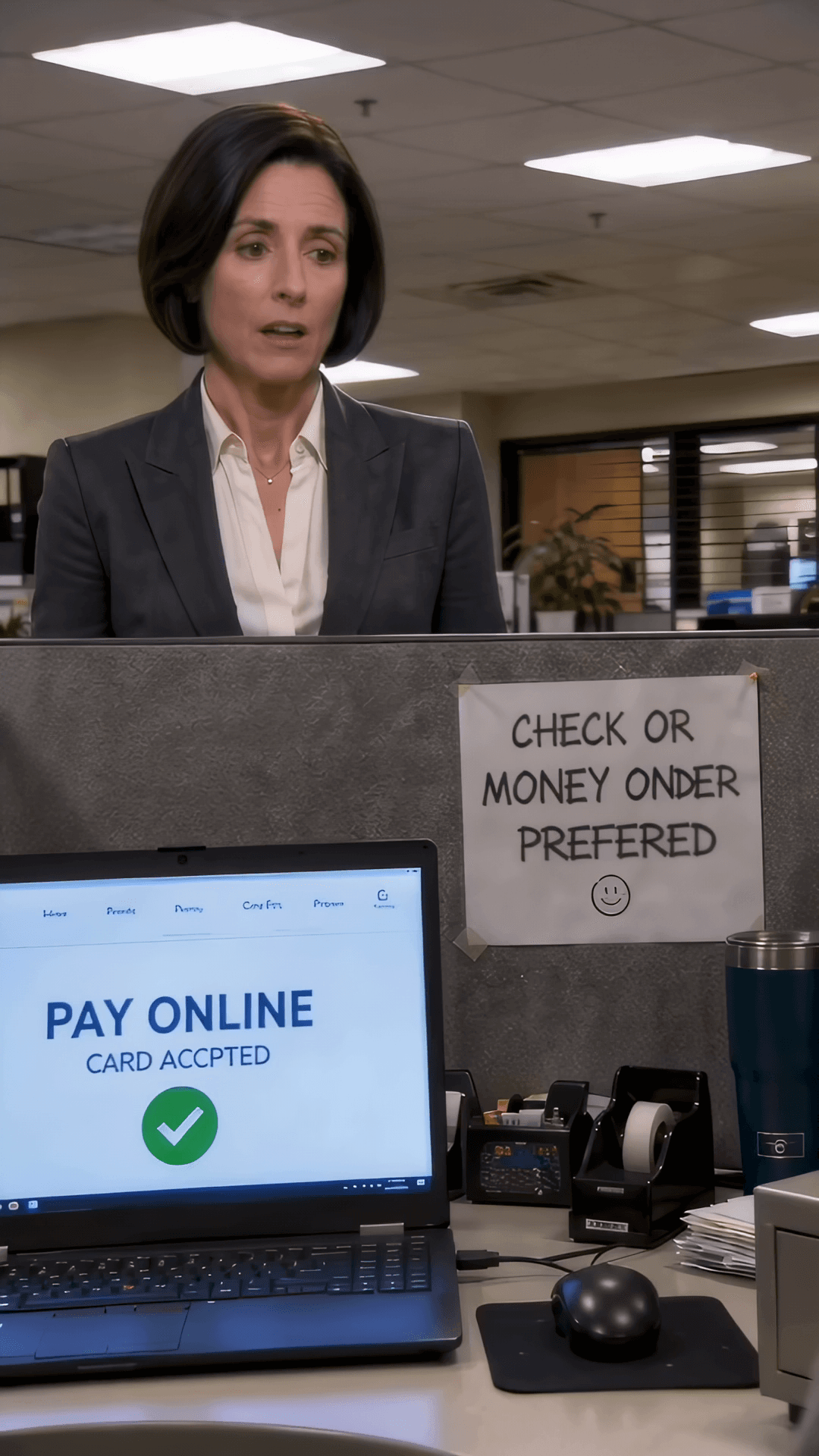
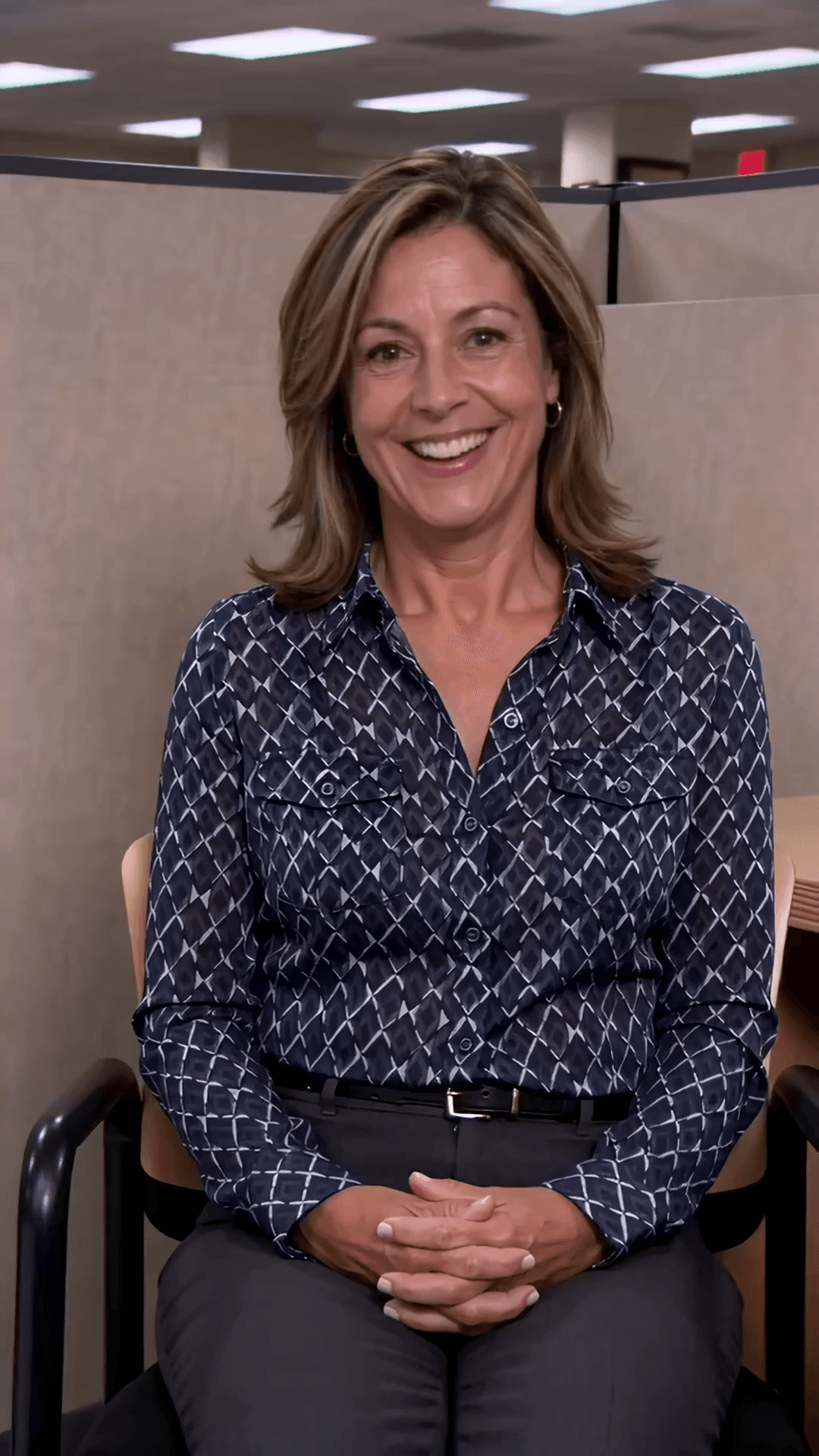
At Community Transhit, a suburban public transit agency in Washington, a small group of administrators, records staff, security personnel, lawyers, and executives attempt to keep buses moving while navigating an organization buried under procedures, email chains, public-records requests, internal politics, and an almost supernatural devotion to paperwork. At the center of the office is Rachel Woods, a longtime records official whose cheerful confidence frequently exceeds her understanding of whatever crisis has landed in her inbox. Rachel approaches complicated records requests with an improvised mixture of search terms, handwritten notes, institutional folklore, and the unwavering belief that the problem can probably be solved with another extension. Nearby, security manager Michael Berman treats routine emails with the gravity of a federal intelligence operation, while IT director De Tapia quietly inhabits the technological machinery behind the agency, where email rules, security alerts, procurement systems, and mysterious internal processes seem capable of turning a simple message into a multi-department event. Attorney Matthew Hendricks serves as the organization’s increasingly exhausted legal adult, routinely appearing in conversations after everyone else has already made the situation considerably stranger. Episodes follow mundane government-office problems that gradually become absurd: public-records searches spiraling into multi-week investigations, employees debating what counts as responsive, executives holding meetings about meetings, security teams scrutinizing harmless correspondence, inexplicable redactions, frantic email chains, procurement questions nobody wants to answer, and elaborate internal procedures designed to solve problems created by earlier internal procedures. Running beneath the comedy is an ongoing institutional mystery: the harder outsiders try to understand how Community Transhit works, the more complicated the explanation becomes. Employees regularly insist that everything is routine, even while the documentary camera captures contradictory emails, awkward silences, nervous glances, whispered hallway conversations, and spectacularly uncomfortable meetings. Despite rivalries, paranoia, bureaucratic self-preservation, and constant procedural chaos, the staff have developed their own dysfunctional ecosystem. Everyone has learned how to survive the organization. Nobody seems entirely certain who designed it. Camera style: Documentary fly-on-the-wall workplace mockumentary. Handheld camera movement, imperfect framing, abrupt snap-zooms, rack focuses, hallway following shots, awkward lingering reaction shots, characters glancing directly into the lens after ridiculous statements, and intimate direct-to-camera talking-head interviews. Humor should frequently come from the contrast between what characters confidently claim happened and what the camera has just shown actually happening.
Created byhenkholveck
At Community Transhit, a suburban public transit agency in Washington, a small group of administrators, records staff, security personnel, lawyers, and executives attempt to keep buses moving while navigating an organization buried under procedures, email chains, public-records requests, internal politics, and an almost supernatural devotion to paperwork. At the center of the office is Rachel Woods, a longtime records official whose cheerful confidence frequently exceeds her understanding of whatever crisis has landed in her inbox. Rachel approaches complicated records requests with an improvised mixture of search terms, handwritten notes, institutional folklore, and the unwavering belief that the problem can probably be solved with another extension. Nearby, security manager Michael Berman treats routine emails with the gravity of a federal intelligence operation, while IT director De Tapia quietly inhabits the technological machinery behind the agency, where email rules, security alerts, procurement systems, and mysterious internal processes seem capable of turning a simple message into a multi-department event. Attorney Matthew Hendricks serves as the organization’s increasingly exhausted legal adult, routinely appearing in conversations after everyone else has already made the situation considerably stranger. Episodes follow mundane government-office problems that gradually become absurd: public-records searches spiraling into multi-week investigations, employees debating what counts as responsive, executives holding meetings about meetings, security teams scrutinizing harmless correspondence, inexplicable redactions, frantic email chains, procurement questions nobody wants to answer, and elaborate internal procedures designed to solve problems created by earlier internal procedures. Running beneath the comedy is an ongoing institutional mystery: the harder outsiders try to understand how Community Transhit works, the more complicated the explanation becomes. Employees regularly insist that everything is routine, even while the documentary camera captures contradictory emails, awkward silences, nervous glances, whispered hallway conversations, and spectacularly uncomfortable meetings. Despite rivalries, paranoia, bureaucratic self-preservation, and constant procedural chaos, the staff have developed their own dysfunctional ecosystem. Everyone has learned how to survive the organization. Nobody seems entirely certain who designed it. Camera style: Documentary fly-on-the-wall workplace mockumentary. Handheld camera movement, imperfect framing, abrupt snap-zooms, rack focuses, hallway following shots, awkward lingering reaction shots, characters glancing directly into the lens after ridiculous statements, and intimate direct-to-camera talking-head interviews. Humor should frequently come from the contrast between what characters confidently claim happened and what the camera has just shown actually happening.
Episodes


Clips from this world





Keep watching on Showrunner
Watch nowShowrunner Television runs a channel of shows like this one, on a global clock. See what’s on air.