Sitcom shows
Sitcoms are apartments, workplaces, dinner tables, and the weekly disaster that mostly resets by the credits. The shows below run on a fixed cast failing in familiar rooms — same people, new mess.
Showrunner Originals
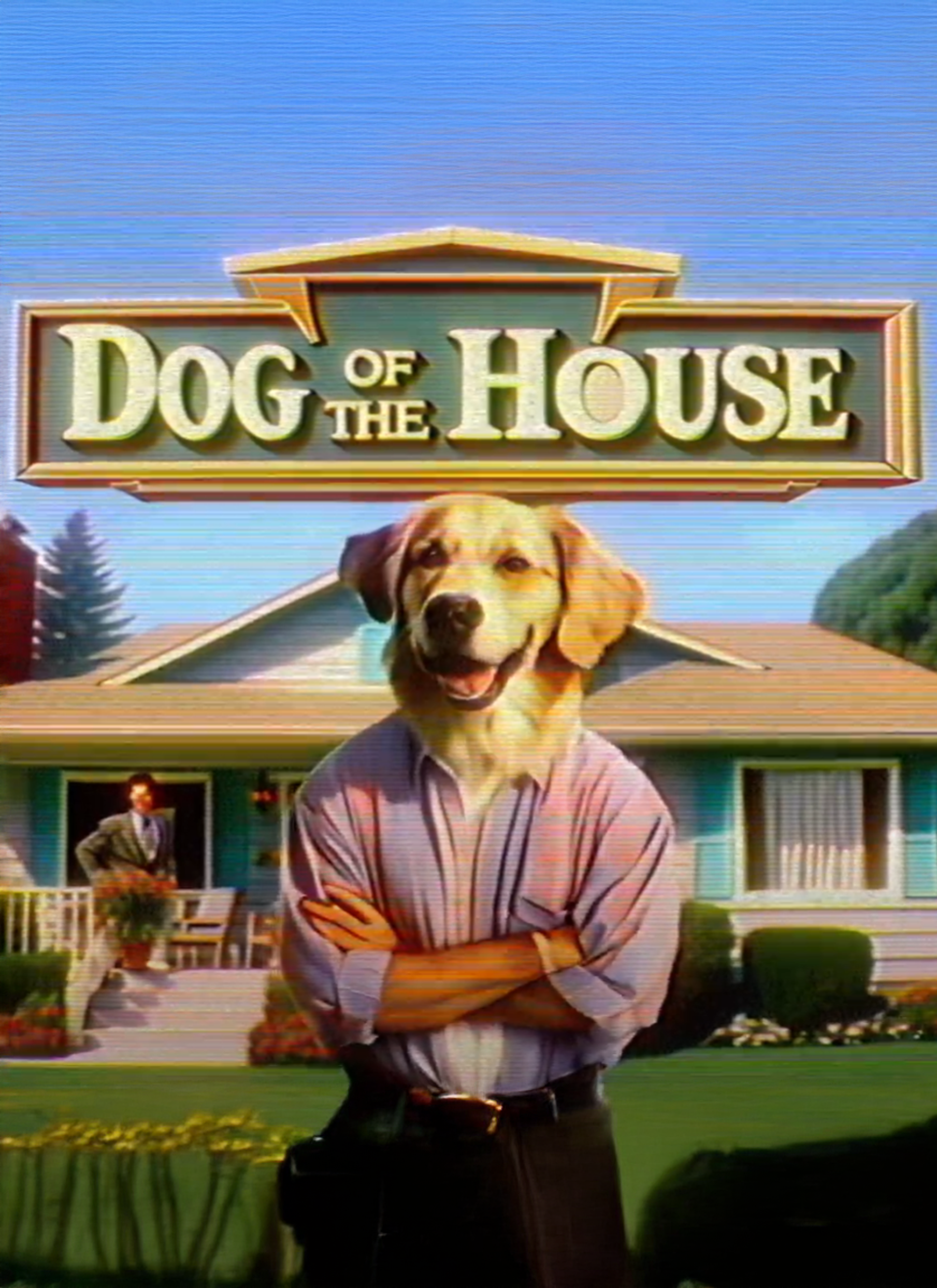
Dog of the House
A cursed suburban dad becomes a golden-retriever-headed disaster while his dysfunctional 90s sitcom family pretends everything is normal.
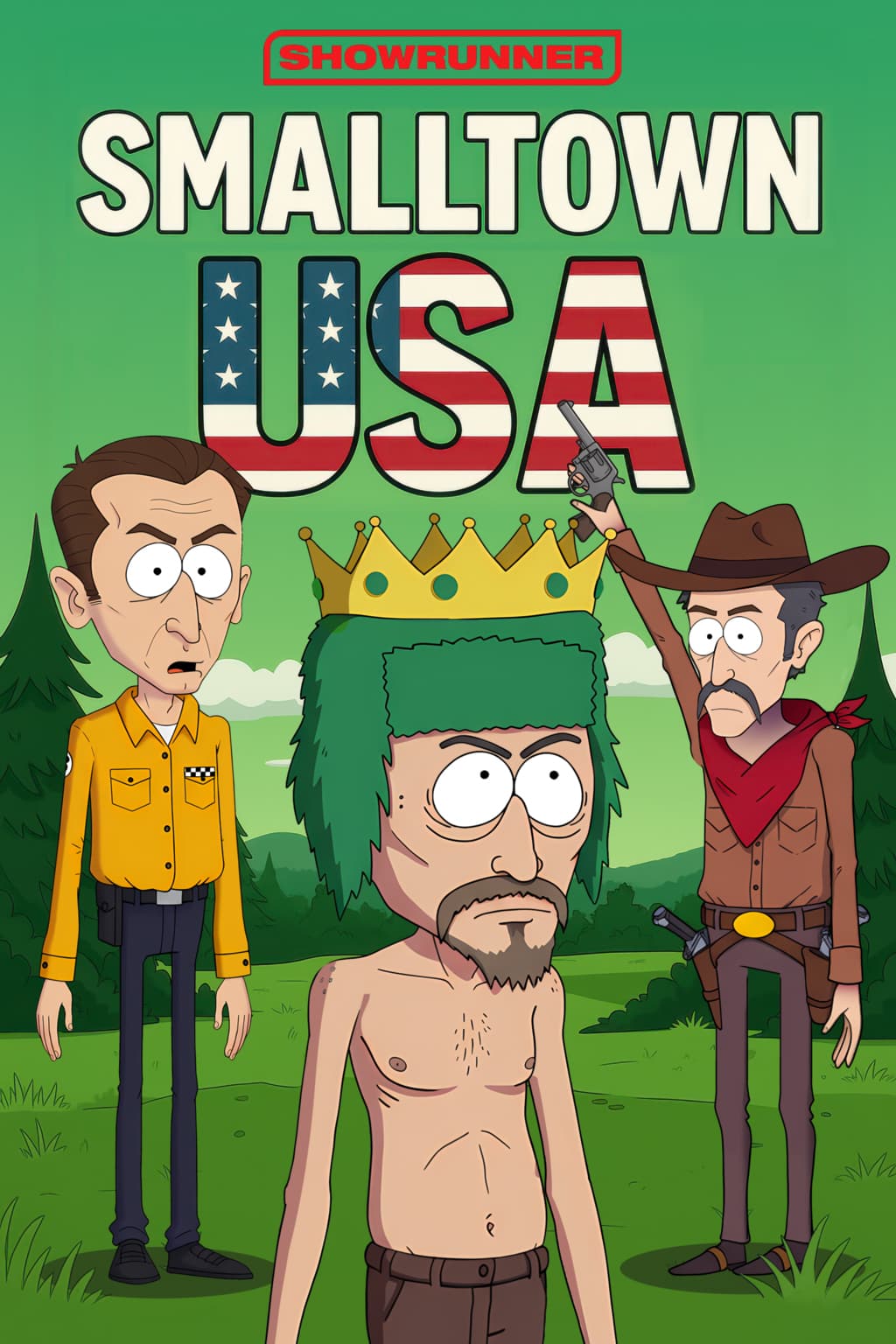
Smalltown USA
A Terrible Day in the Neighborhood
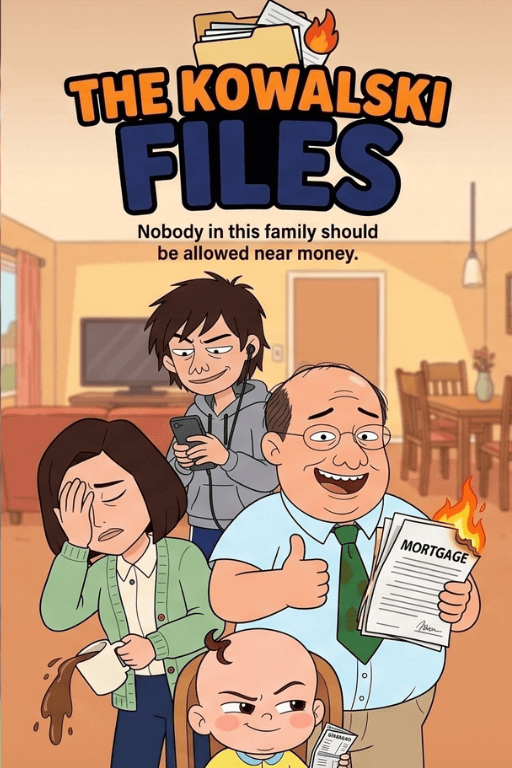
The Kowalski Files
"Nobody in this family should be allowed near money."
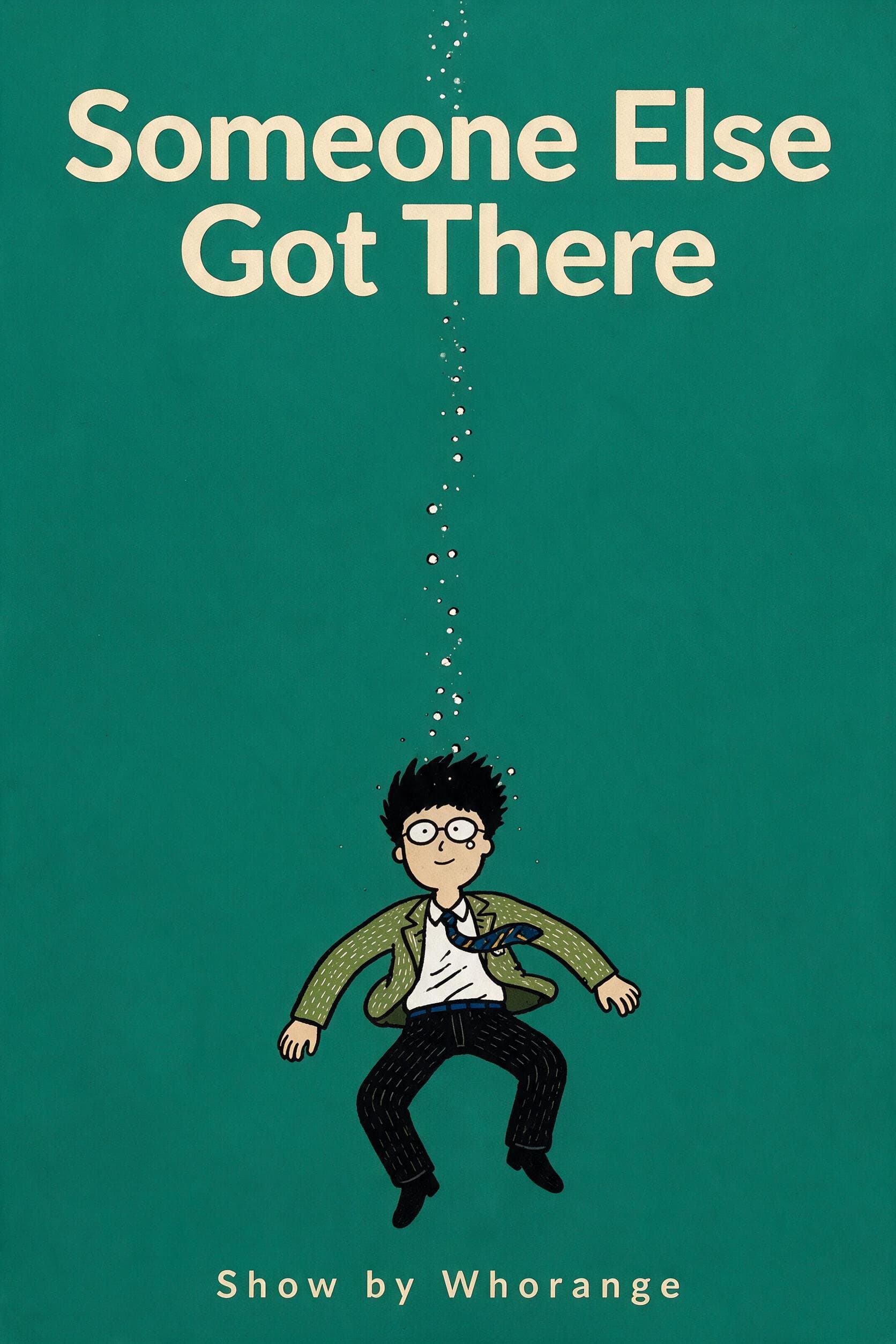
Someone Else Got There
A perpetually overlooked office worker keeps chasing opportunities, recognition, and little victories—only to discover that someone else always seems to get there first.

Studio 5B
STUDIO 5B - Where simple things become complicated.
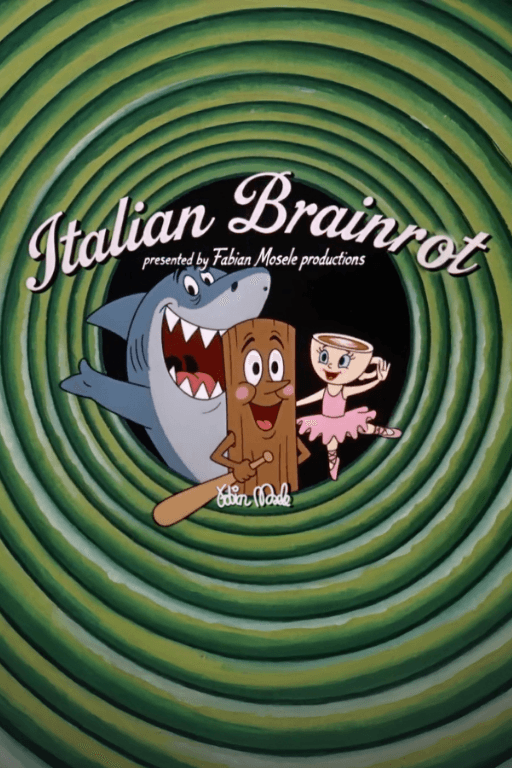
Italian Brainrot
As the Italian Brainrot town gets invaded by slop, Tung Tung Tung Sahur, Ballerina Cappuccina, and their friends explore the sloptastic madness of this new mysterious substance.
From the community

Oh Canada: The Dominion Motor Lodge
Nestled somewhere between a crumbling national identity and a flickering vacancy sign, the Dominion Motor Lodge is Canada's most dysfunctional neutral ground — a decaying roadside motel where the country's most powerful, most famous, and most insufferable figures keep washing up whenever the news cycle spins out of control. Every week a fresh crisis rolls in like a storm off the Prairies: tariff wars, housing collapses, AI takeovers, Alberta threatening to unplug itself, and whatever chaotic energy is drifting north across the American border, usually in the form of a real estate pitch. Mark Carney clutches his binder and tries to project calm, Pierre Poilievre turns every broken ice machine into a sovereignty speech, Danielle Smith demands provincial jurisdiction over the thermostat, Doug Ford arrives with ribbon scissors, and Donald Trump keeps texting to ask about the listing price for the whole country. Meanwhile Drake tries to rope off the vending alcove as VIP, Seth Rogen can't remember why he came in, Justin Bieber just wants everyone to stop yelling, and the Ghost of Don Cherry rattles the pipes whenever someone suggests change. Dry, fast, and gloriously Canadian, the show is big political satire filtered through very small motel problems, and the only guaranteed casualty each episode is the coffee machine.

Hotdog
In the glittering, paparazzi-soaked metropolis of Barkingham City — where fire hydrants double as ATMs and squirrels hustle every delivery gig in town — one devastatingly charming golden retriever-dachshund mix sits atop the celebrity food chain, coasting on endorsement deals, a hit podcast, and a face that launched a thousand kibble bags. The problem is that Hotdog's ego and hair-trigger impulsiveness consistently drag him into scandals, feuds, and half-baked schemes that would have ended any lesser celebrity's career three seasons ago. Standing between Hotdog and total self-destruction is Gravy, his sharp-tongued cat manager who secretly writes half his best lines, wide-eyed superfan Nugget who keeps getting pulled into the chaos, and an ever-shifting alliance against rival poodle celebrity Chomp, who is perpetually one press cycle away from stealing Hotdog's throne. Meanwhile, Mayor Whiskers lurks at city hall, clipboard in paw, looking for any excuse to strip Hotdog of his ceremonial key to the city once and for all. Equal parts celebrity-culture satire and warm-hearted buddy comedy, the show gleefully asks the eternal question: how has this dog not been cancelled yet?

Gantry Groves: Welcome to Paradise
Nestled along Florida's chaotic Space Coast, a surreal community of tiny homes and luxury RVs becomes the unlikely battleground between eccentric residents and the forces threatening to pave over their slice of dysfunctional paradise. At the center of it all is Marsha Vane, the iron-fisted HOA President who weaponizes daily citations and petty fines while secretly selling off community water rights to fund her acrylic nail habit, leaving the neighborhood pool a dry, chain-linked monument to her corruption. Retired NASA Quality Assurance veteran Clive Barker, armed with a seismograph and a debris blower, reluctantly joins forces with wheeler-dealer real estate enthusiast Doug Swayze to expose Marsha's schemes and fend off a corporate developer hellbent on demolishing the neighborhood into a generic timeshare resort. The residents fight back with the only weapons at their disposal — industrial leaf blowers, feral goats, a 12-foot canal alligator with a taste for incriminating ledgers, and the soul-rattling keytar performances of waterfront musician Kelby Keys — intentionally tanking their own property values to drive off corporate interests. Equal parts absurdist disaster comedy and biting satire, the series revels in the beautiful chaos of people who'd rather burn it all down than let anyone else ruin what they've already broken. Positive Prompts: All Text on clothes, vehicles, Objects and signs is spelled correctly, with no hallucinations.

Community Transhit
At Community Transhit, a suburban public transit agency in Washington, a small group of administrators, records staff, security personnel, lawyers, and executives attempt to keep buses moving while navigating an organization buried under procedures, email chains, public-records requests, internal politics, and an almost supernatural devotion to paperwork. At the center of the office is Rachel Woods, a longtime records official whose cheerful confidence frequently exceeds her understanding of whatever crisis has landed in her inbox. Rachel approaches complicated records requests with an improvised mixture of search terms, handwritten notes, institutional folklore, and the unwavering belief that the problem can probably be solved with another extension. Nearby, security manager Michael Berman treats routine emails with the gravity of a federal intelligence operation, while IT director De Tapia quietly inhabits the technological machinery behind the agency, where email rules, security alerts, procurement systems, and mysterious internal processes seem capable of turning a simple message into a multi-department event. Attorney Matthew Hendricks serves as the organization’s increasingly exhausted legal adult, routinely appearing in conversations after everyone else has already made the situation considerably stranger. Episodes follow mundane government-office problems that gradually become absurd: public-records searches spiraling into multi-week investigations, employees debating what counts as responsive, executives holding meetings about meetings, security teams scrutinizing harmless correspondence, inexplicable redactions, frantic email chains, procurement questions nobody wants to answer, and elaborate internal procedures designed to solve problems created by earlier internal procedures. Running beneath the comedy is an ongoing institutional mystery: the harder outsiders try to understand how Community Transhit works, the more complicated the explanation becomes. Employees regularly insist that everything is routine, even while the documentary camera captures contradictory emails, awkward silences, nervous glances, whispered hallway conversations, and spectacularly uncomfortable meetings. Despite rivalries, paranoia, bureaucratic self-preservation, and constant procedural chaos, the staff have developed their own dysfunctional ecosystem. Everyone has learned how to survive the organization. Nobody seems entirely certain who designed it. Camera style: Documentary fly-on-the-wall workplace mockumentary. Handheld camera movement, imperfect framing, abrupt snap-zooms, rack focuses, hallway following shots, awkward lingering reaction shots, characters glancing directly into the lens after ridiculous statements, and intimate direct-to-camera talking-head interviews. Humor should frequently come from the contrast between what characters confidently claim happened and what the camera has just shown actually happening.
Keep watching on Showrunner
Watch now