Comedy shows
Comedy is awkward dinners, bad timing, ensembles who know exactly how to wound each other, and the occasional absurd spike that shouldn’t work but does. The shows below chase the laugh and then chase it again next week.
Showrunner Originals
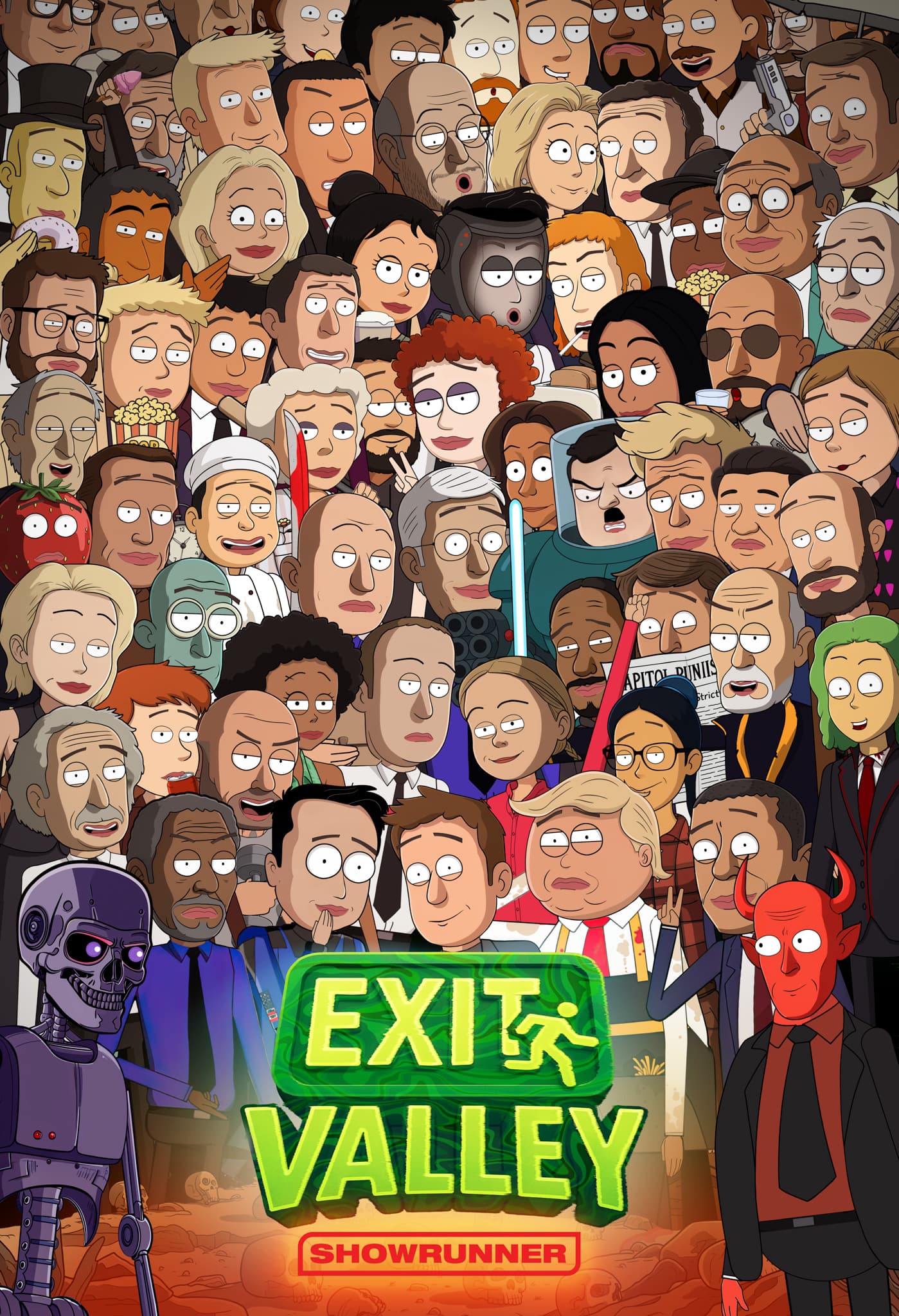
Exit Valley Primetime
Silicon Valley try to innovate their way into power, profit, and — the end of mankind.
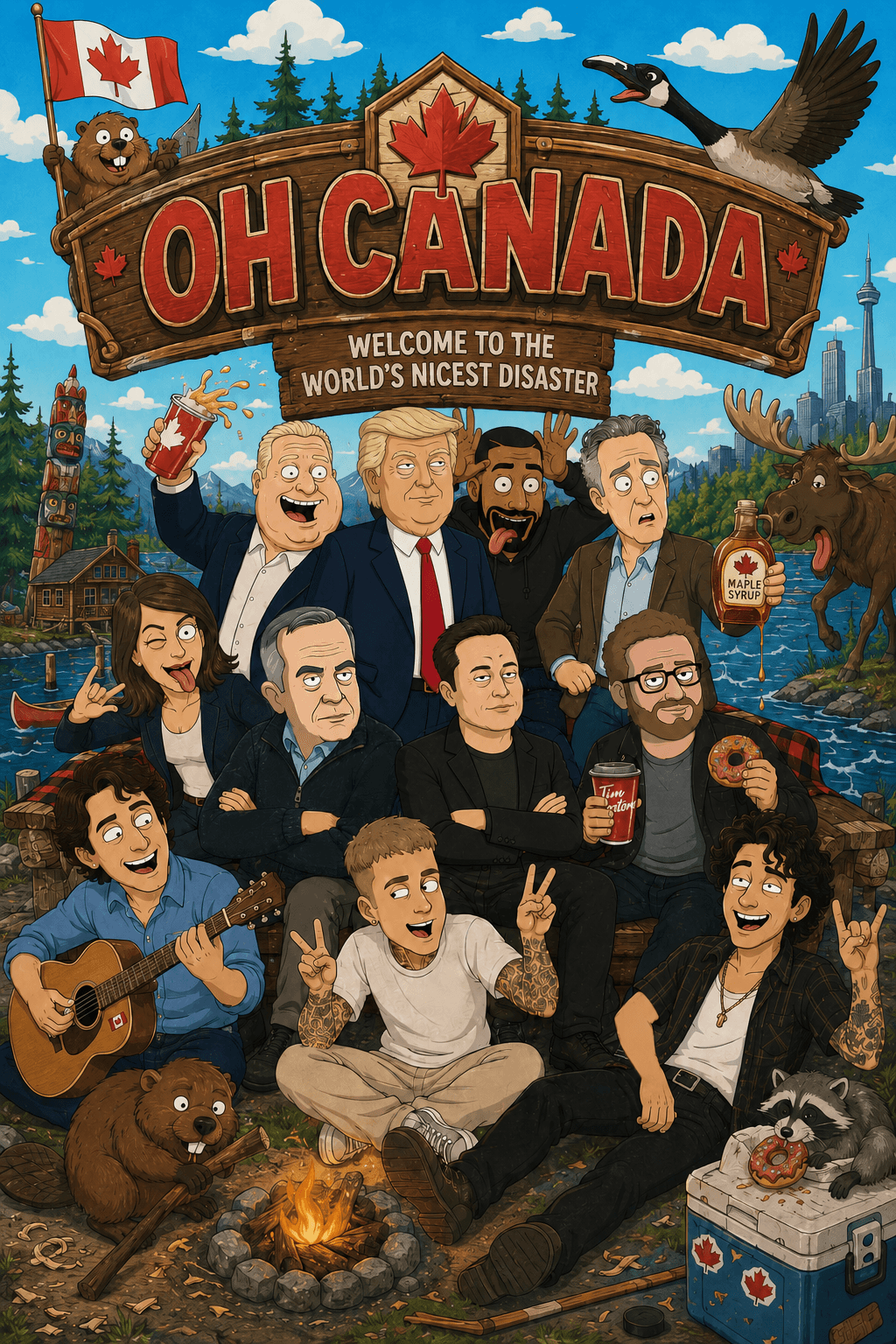
Oh Canada
Oh Canada follows Canada’s biggest egos as they smile for the cameras, panic behind the scenes, and accidentally make everything worse.
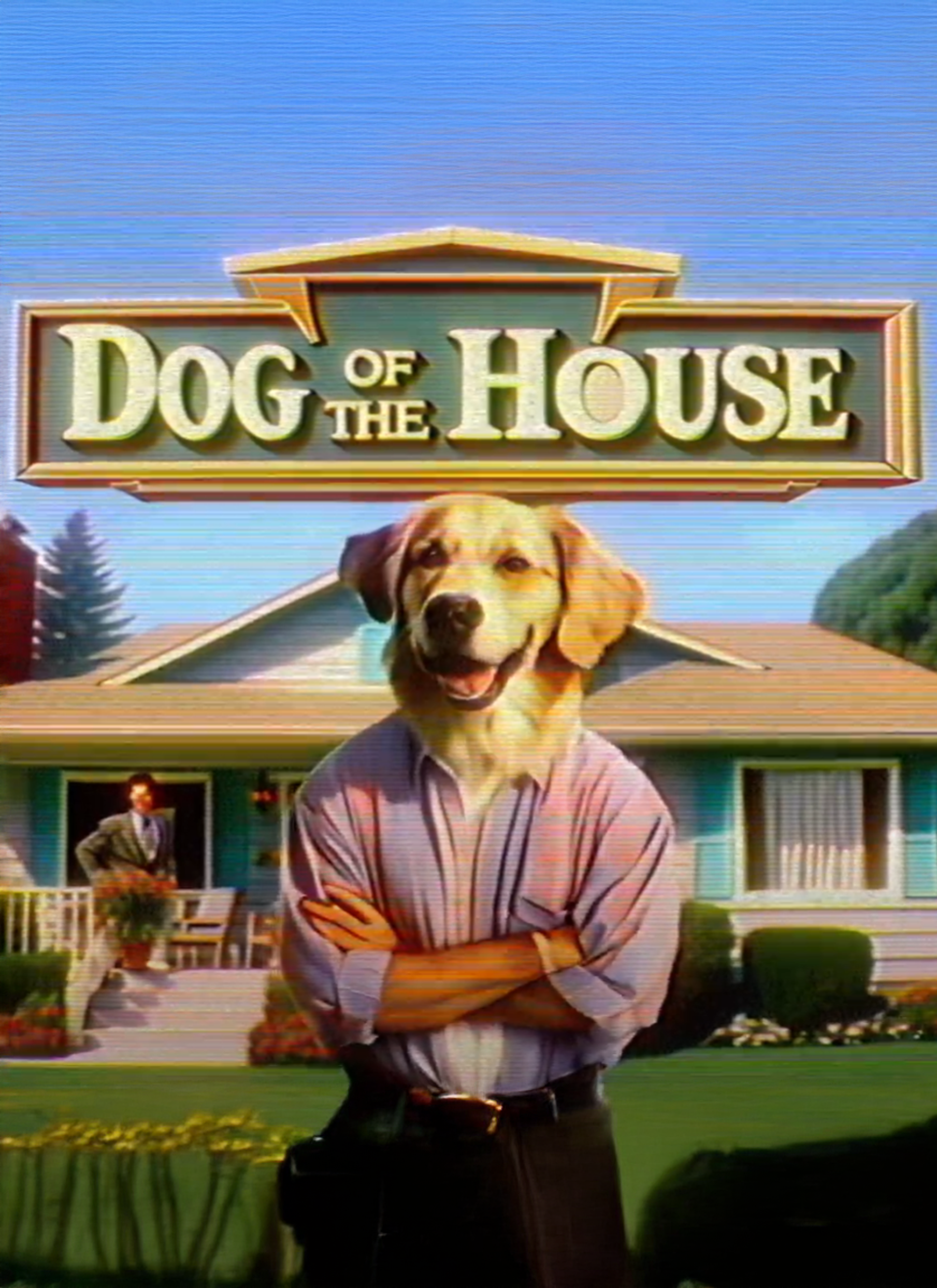
Dog of the House
A cursed suburban dad becomes a golden-retriever-headed disaster while his dysfunctional 90s sitcom family pretends everything is normal.
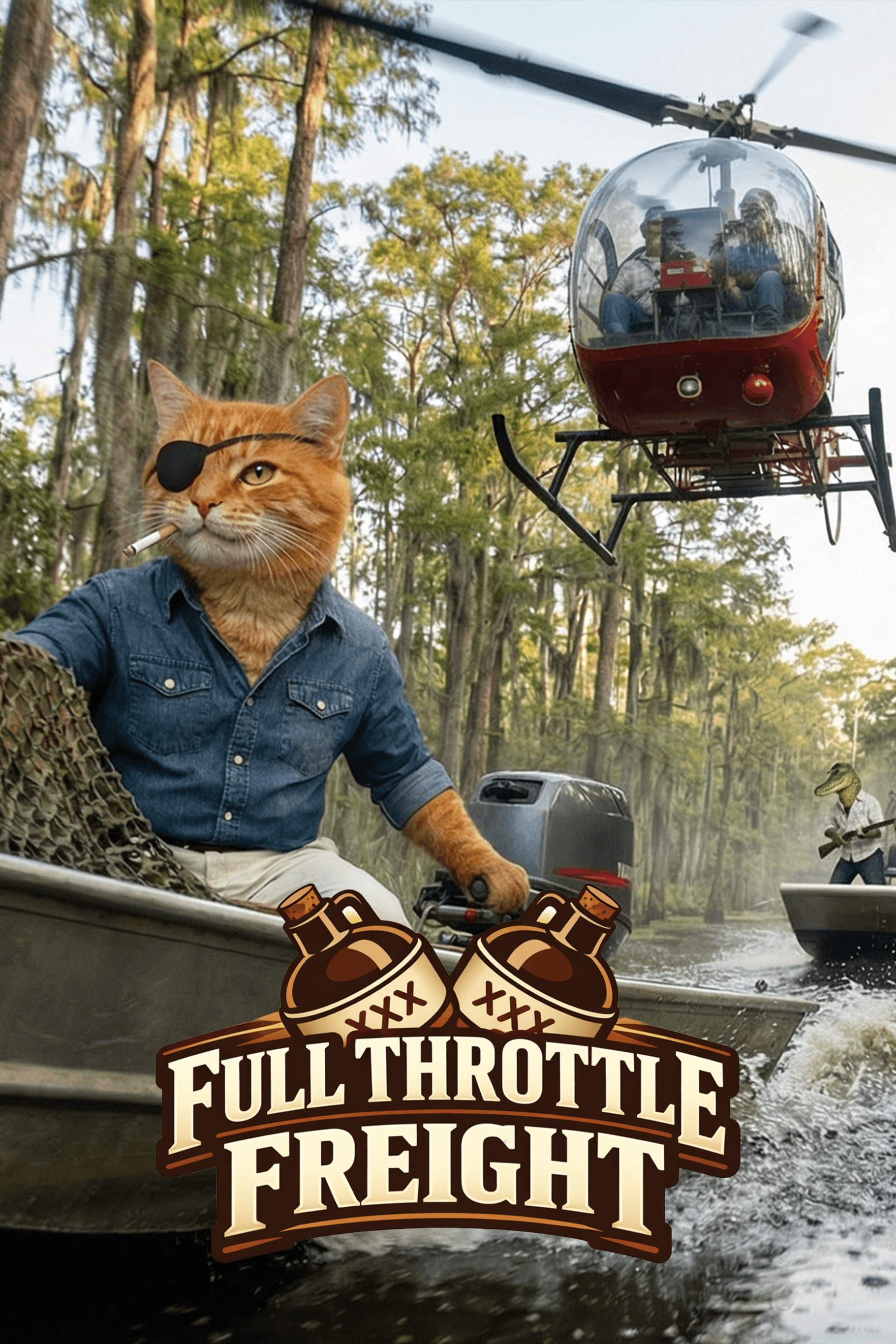
Mean Orange Cat: Full Throttle Freight
Agency's Best
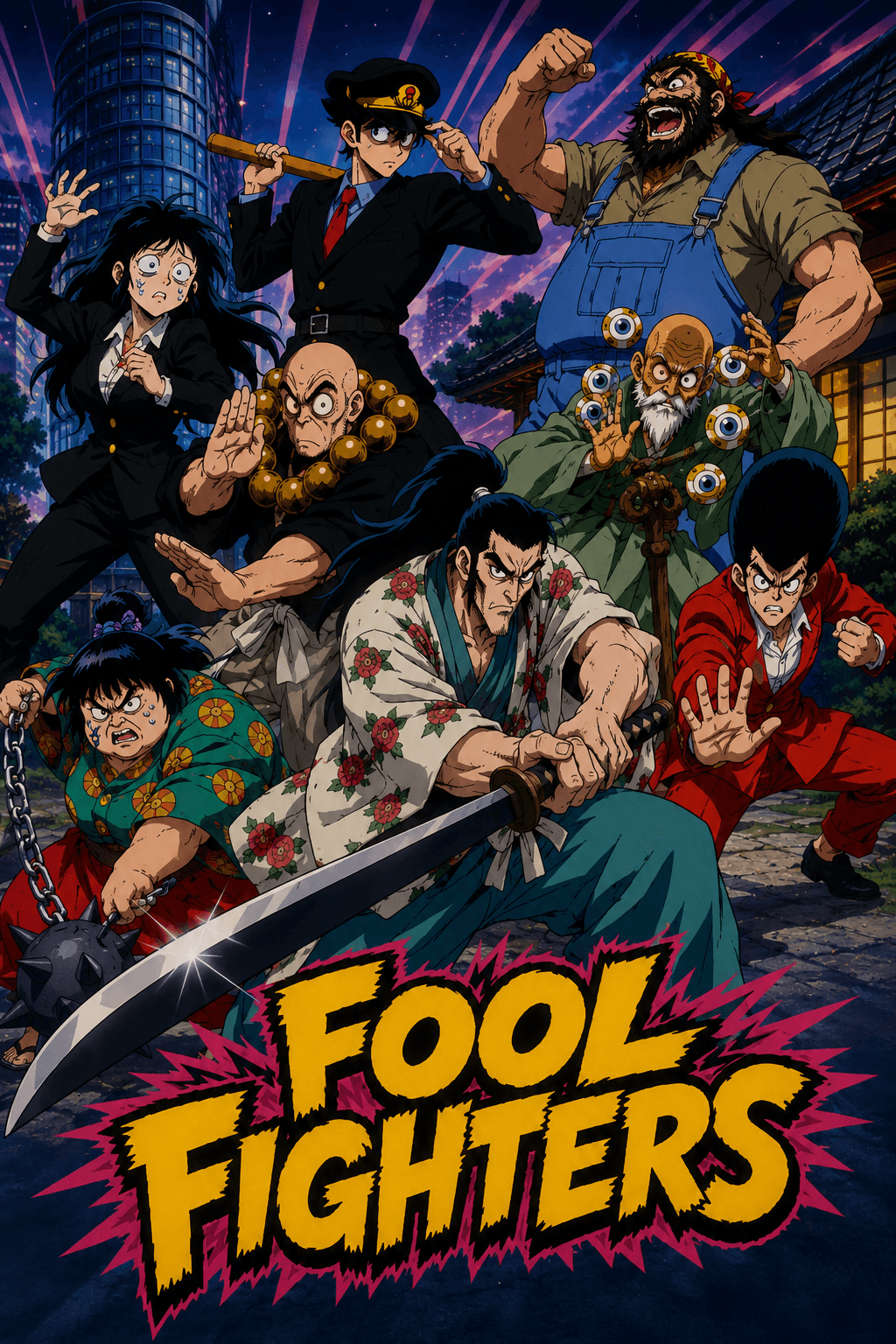
Fool Fighters
A Group of Fighters deluded into thinking they know what they're doing
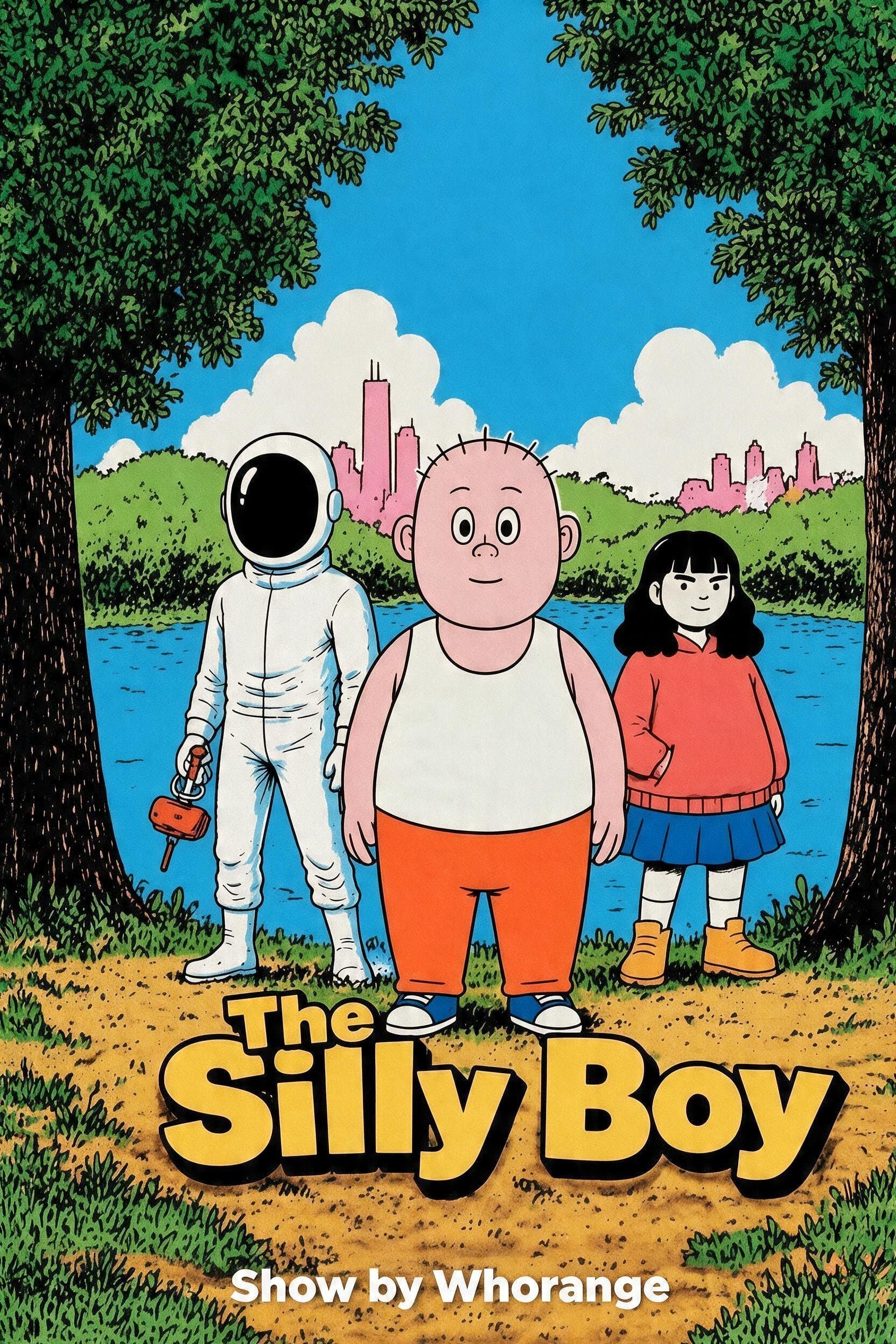
The Silly Boy
In a city filled with larger-than-life heroes and bizarre phenomena, an ordinary young man known as Silly Boy struggles to find his place while stumbling through everyday problems that somehow become extraordinary adventures.
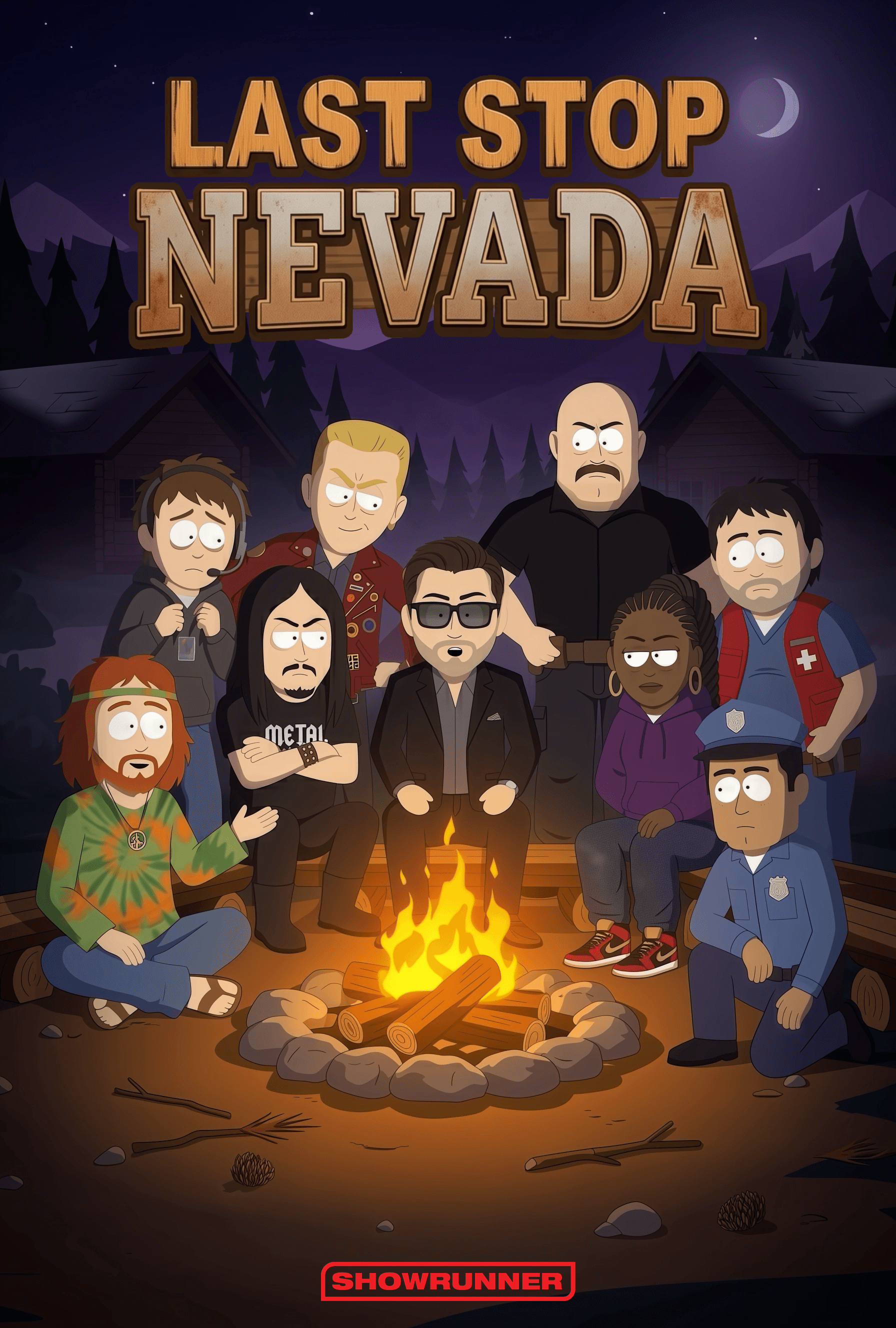
Last Stop Nevada
Group of eccentric contestants arrive in a forgotten desert town outside Las Vegas to compete in a chaotic reality show, only to discover that behind the low-budget production and absurd challenges lies something far more dangerous—and far less controlled—than anyone signed up for.
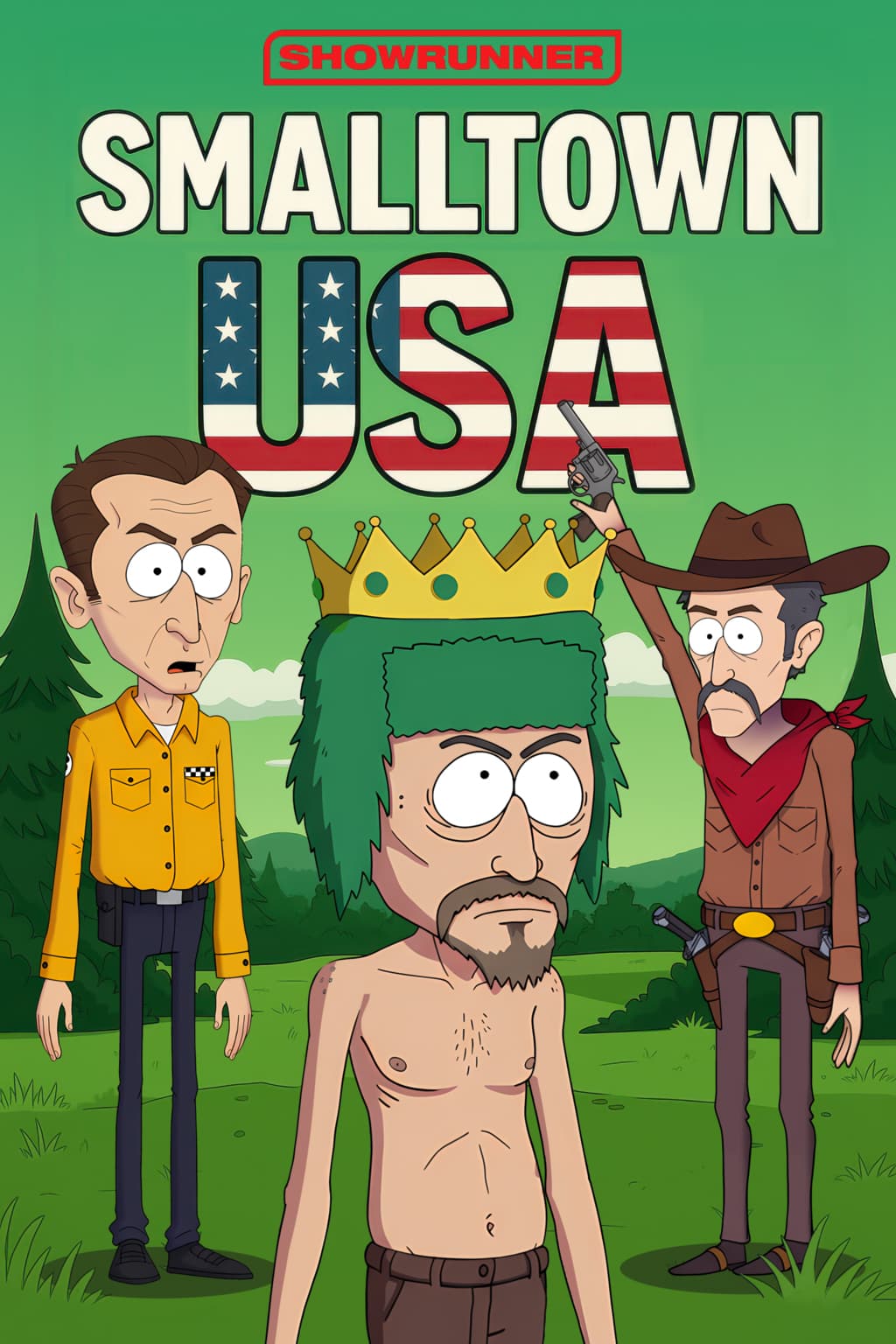
Smalltown USA
A Terrible Day in the Neighborhood
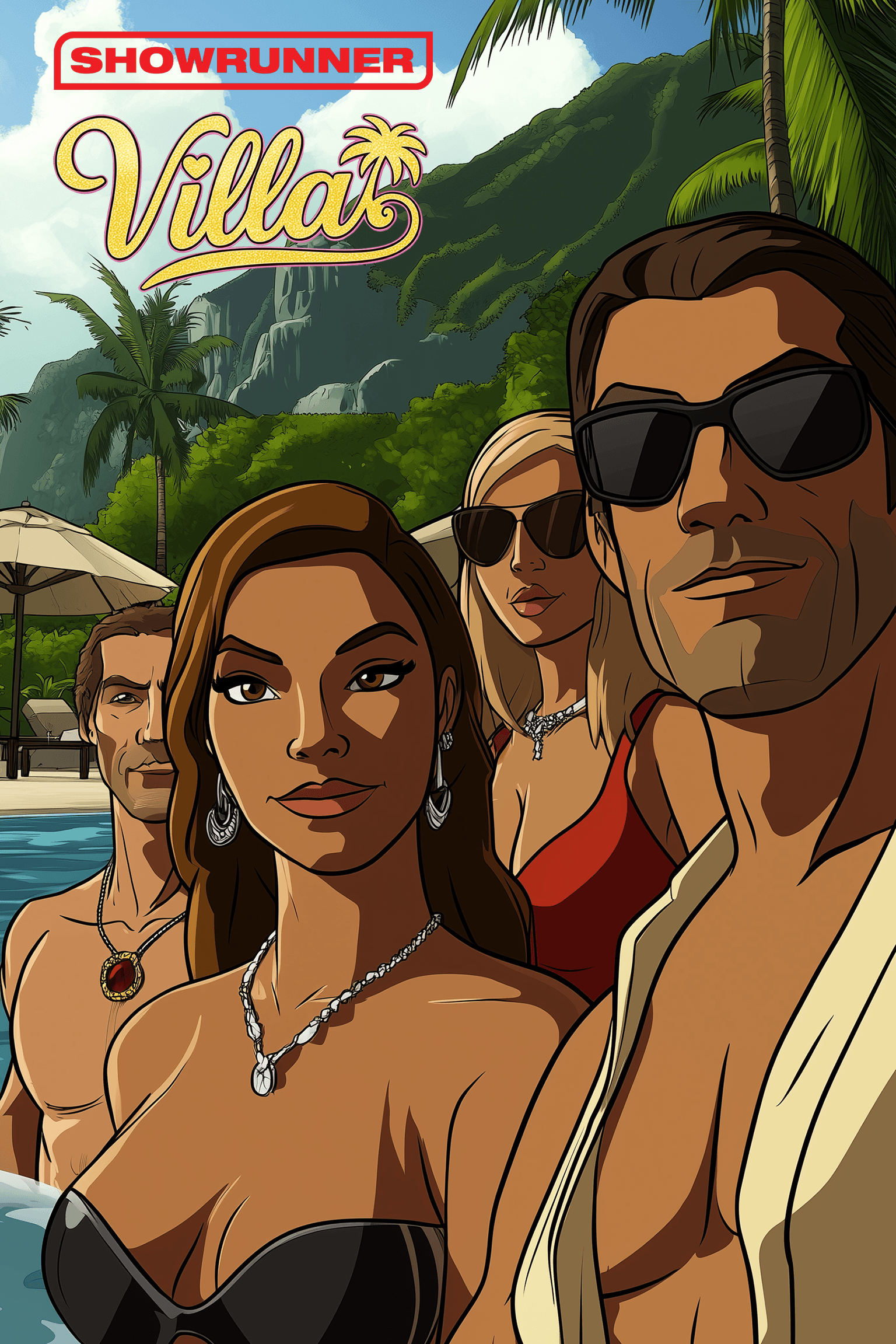
VILLA
British humor meets reality TV absurdity in The Villa, a chaotic twist on the classic dating show.
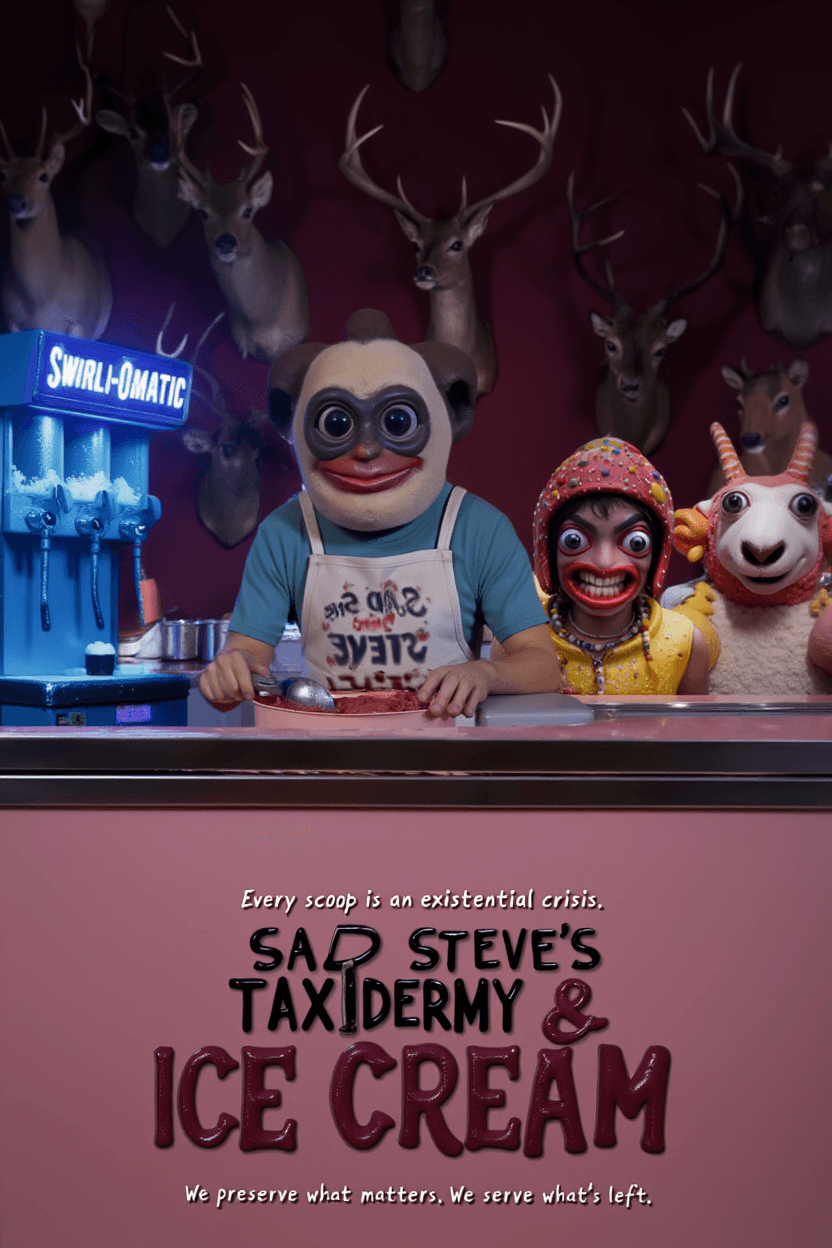
Sad Steve's Taxidermy & Ice Cream
You preserve what matters. We serve what's left.
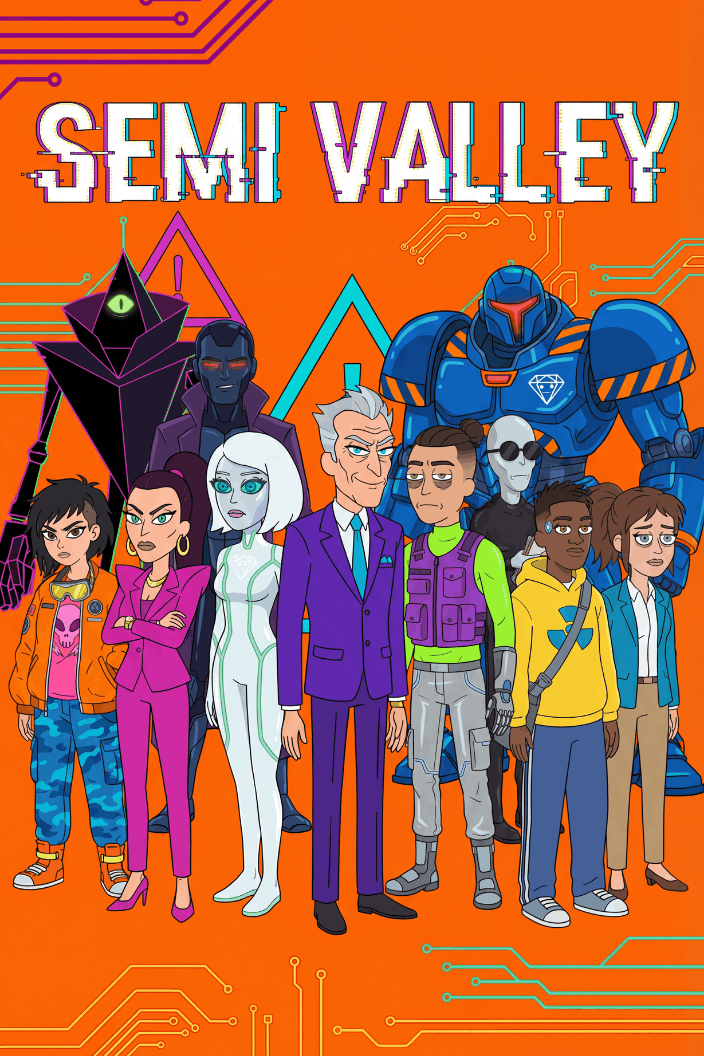
Semi Valley
In the year 2090, Salt x Diamond—the most powerful tech corp in history—quietly runs Earth, the Moon, and Mars. Its dying founder, his secret anarchist daughter, and a pair of emotionally unstable Androids juggle family drama, corporate sabotage, and looming cosmic repo men... all while trying to ship the next big update to death itself.
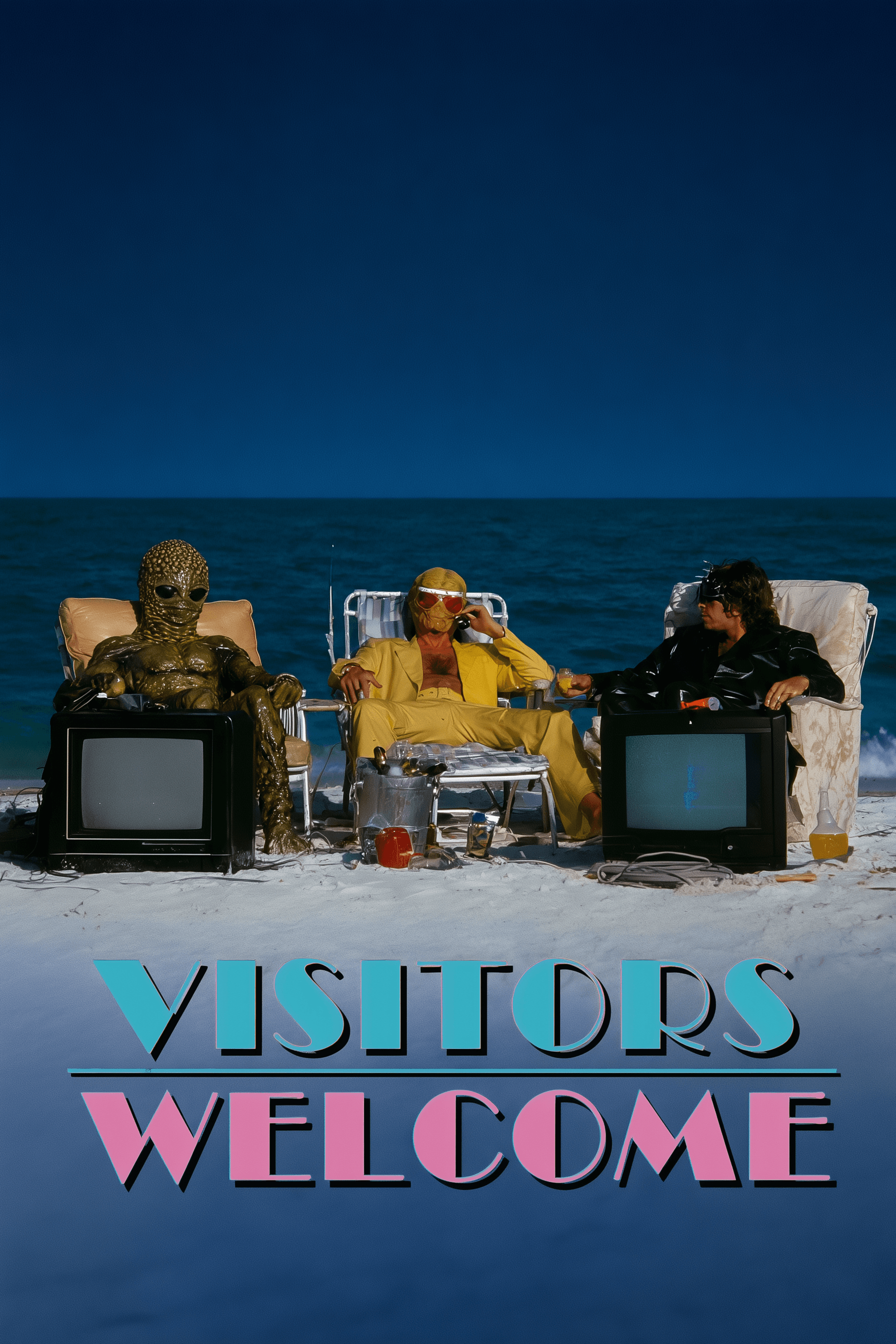
Visitors Welcome
A group of childhood friends returns to their sleepy Florida hometown for a weeklong vacation, only to discover that aliens have been quietly taking over the place.
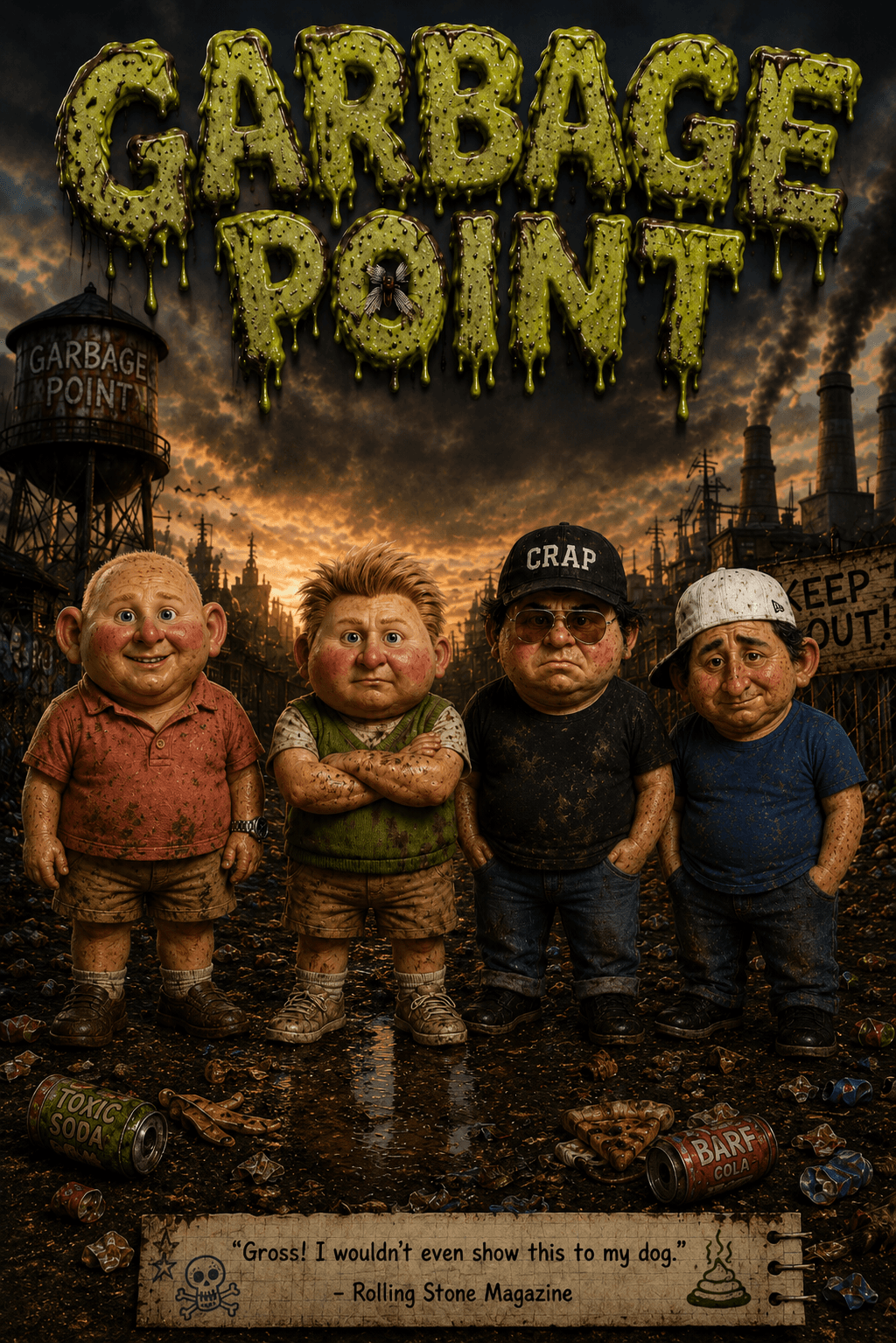
Garbage Point
Gross...
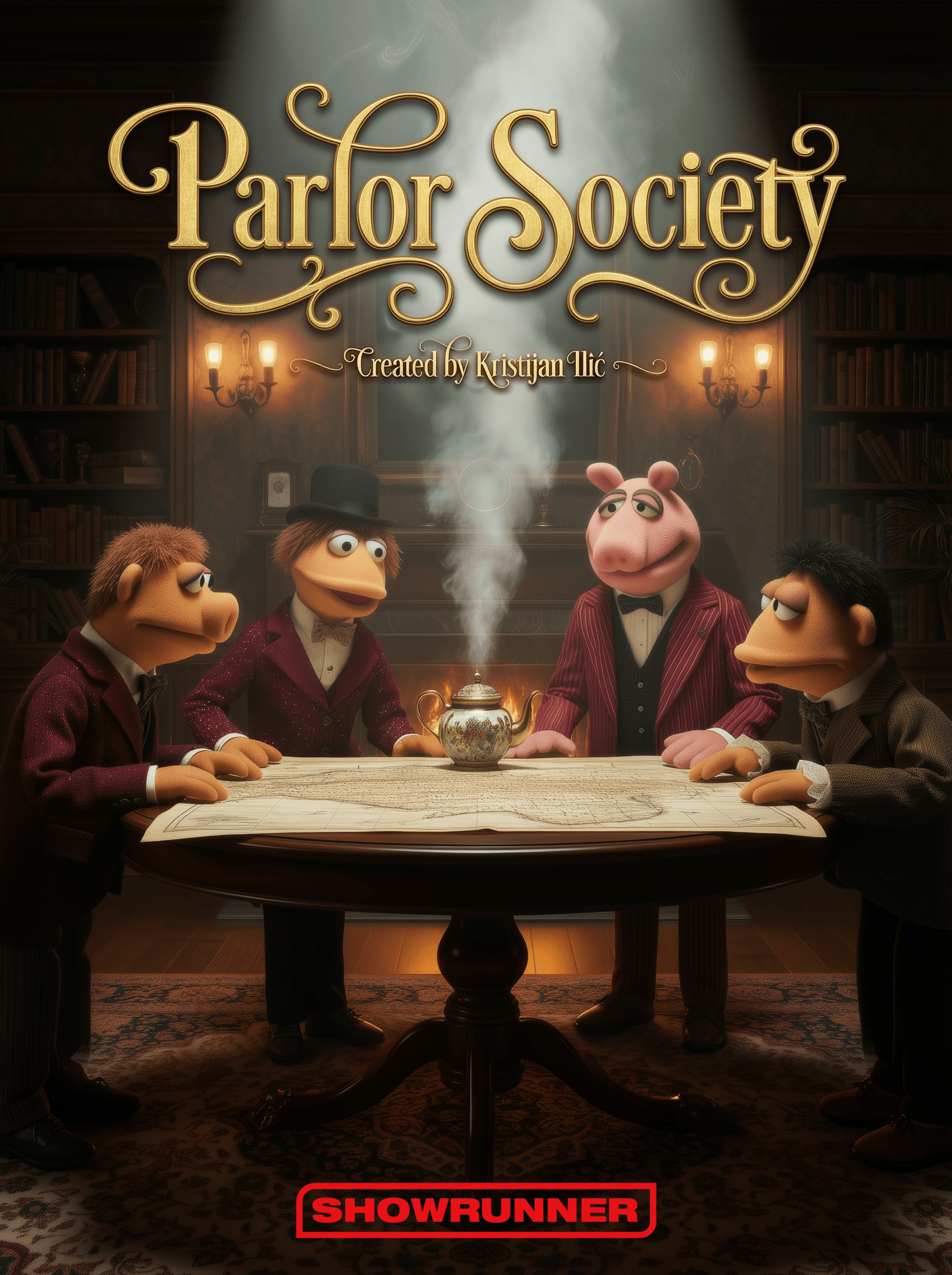
Parlor Society
-
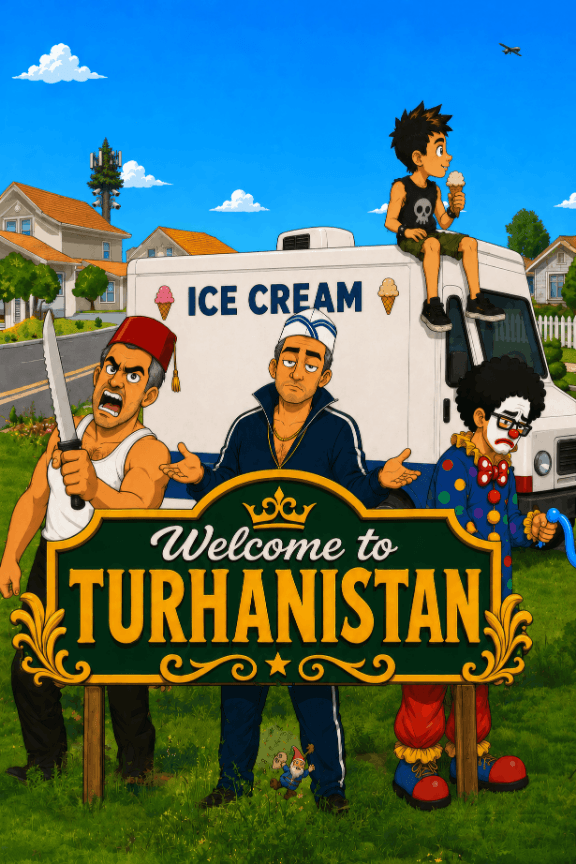
Turhanistan
A kebab vendor and a mob-connected ice cream man go looking for the American Dream and find it face-down in the parking lot of a Ross Dress for Less.
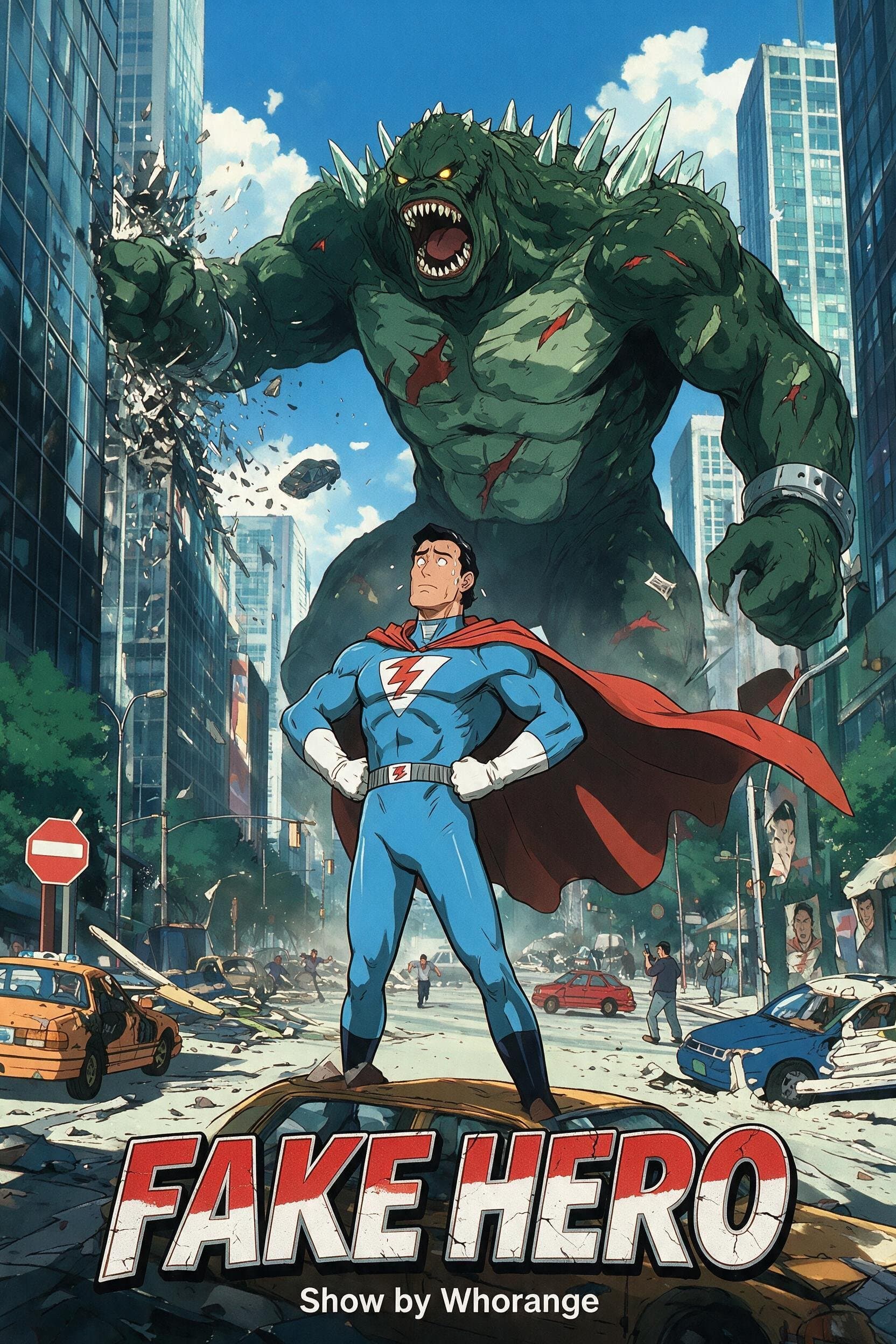
Fake Hero
He has the suit, the cape, and the adoring fans—now he just needs the courage to actually fight.
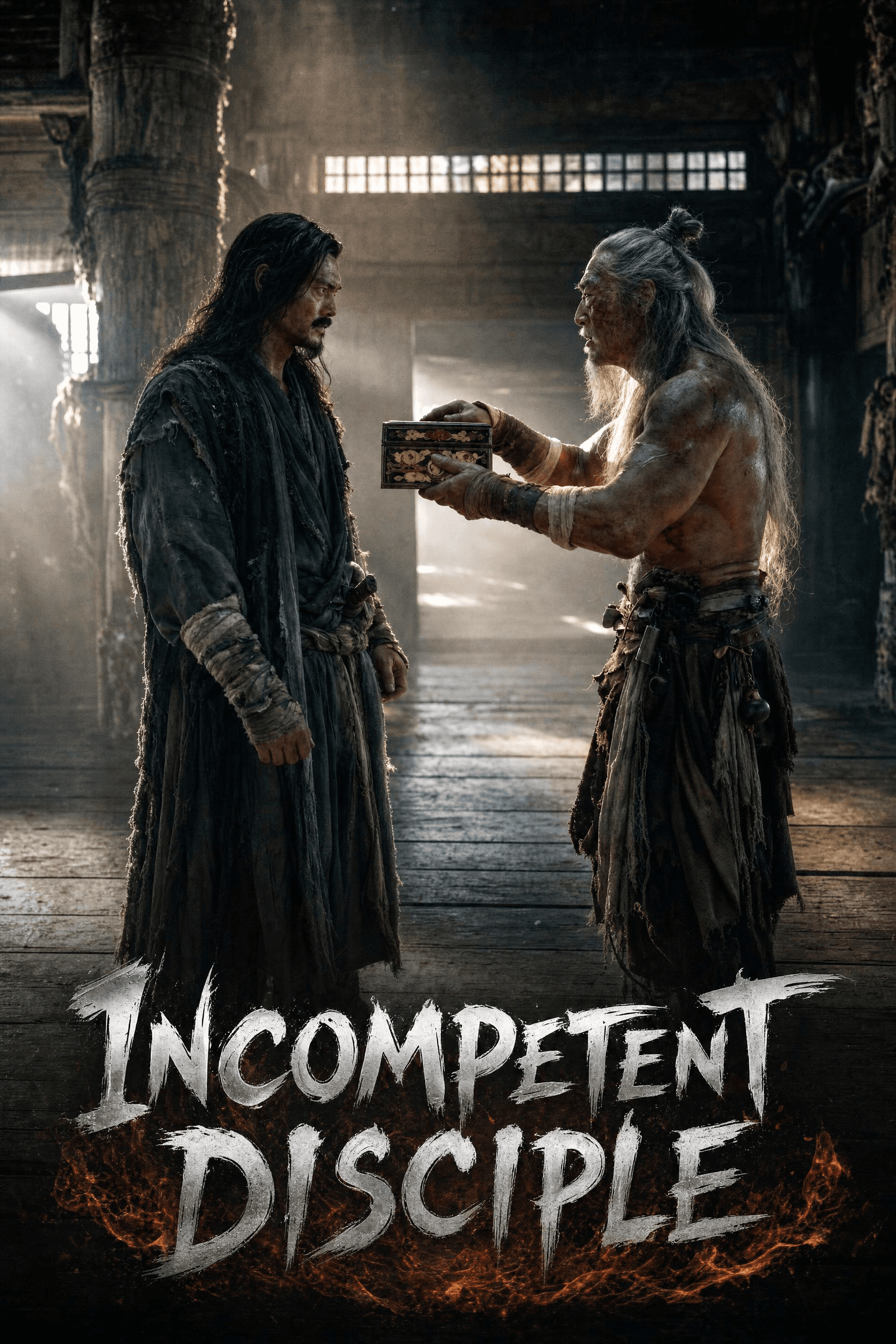
Incompetent Disciple
a Sharp Blade is a Mercy, a Rusty one is Hell
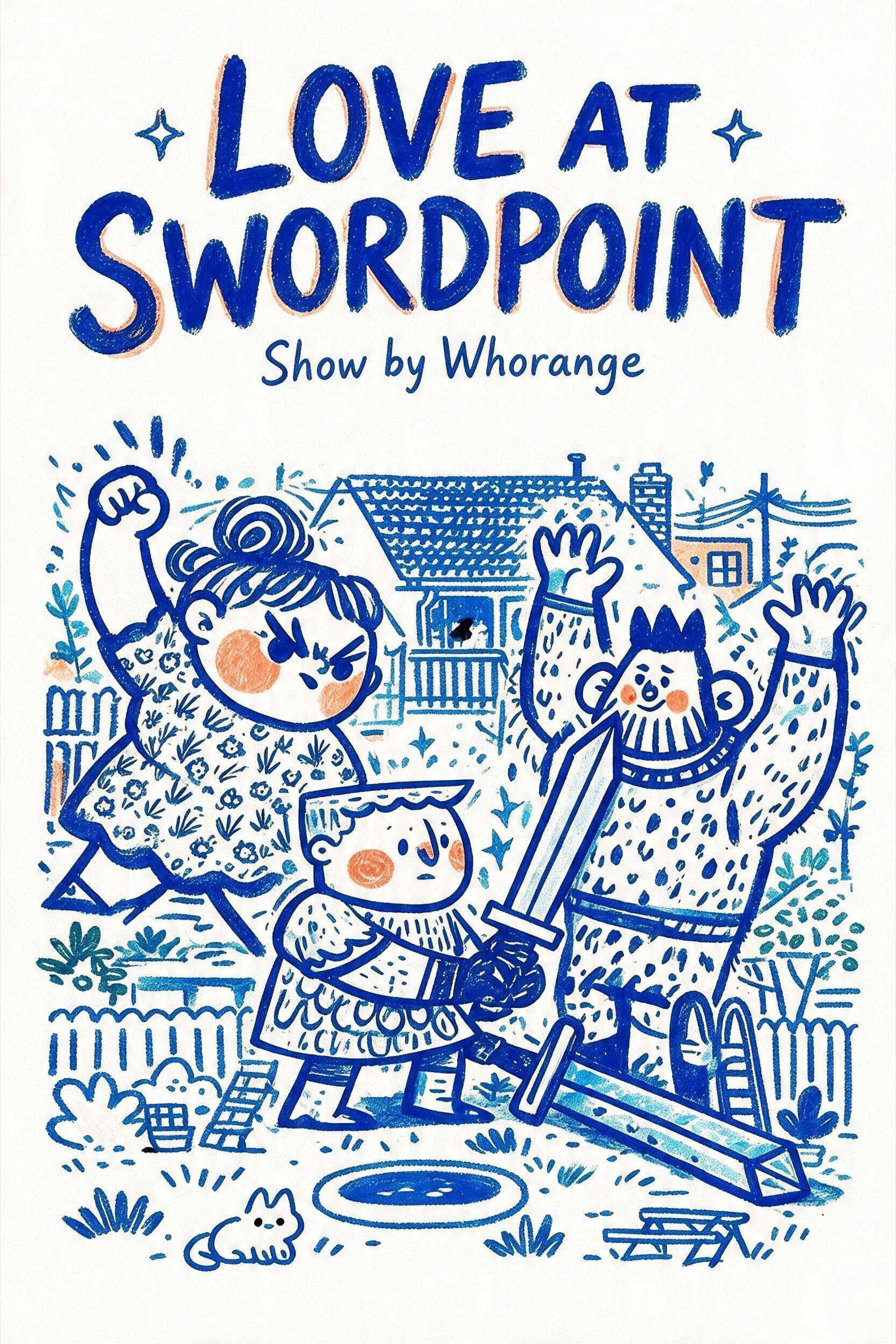
Love at Swordpoint
Some hearts are won by courage. Others... by a single sword.
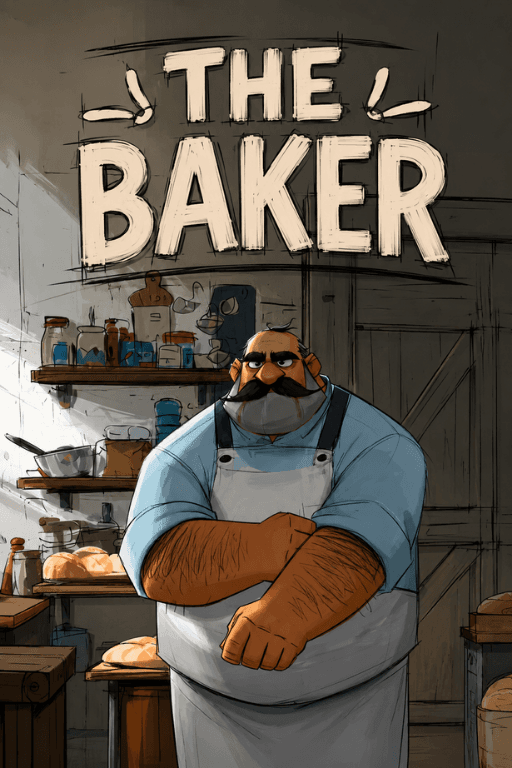
The Baker
Kneading hope, baking envy.
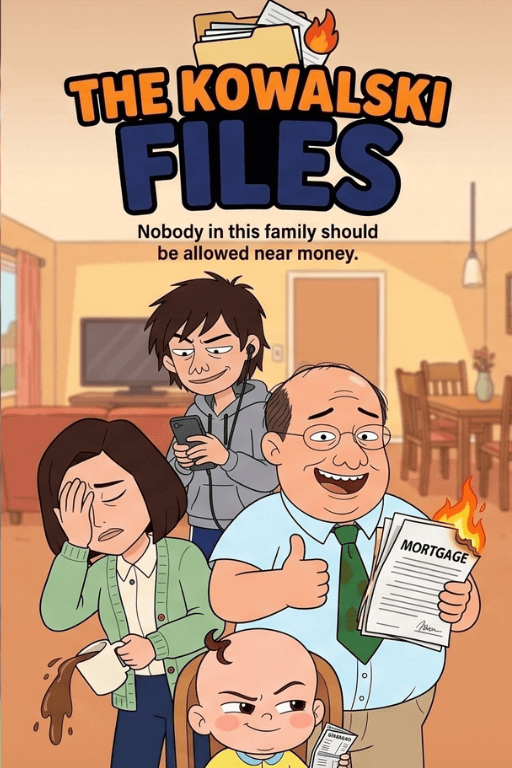
The Kowalski Files
"Nobody in this family should be allowed near money."
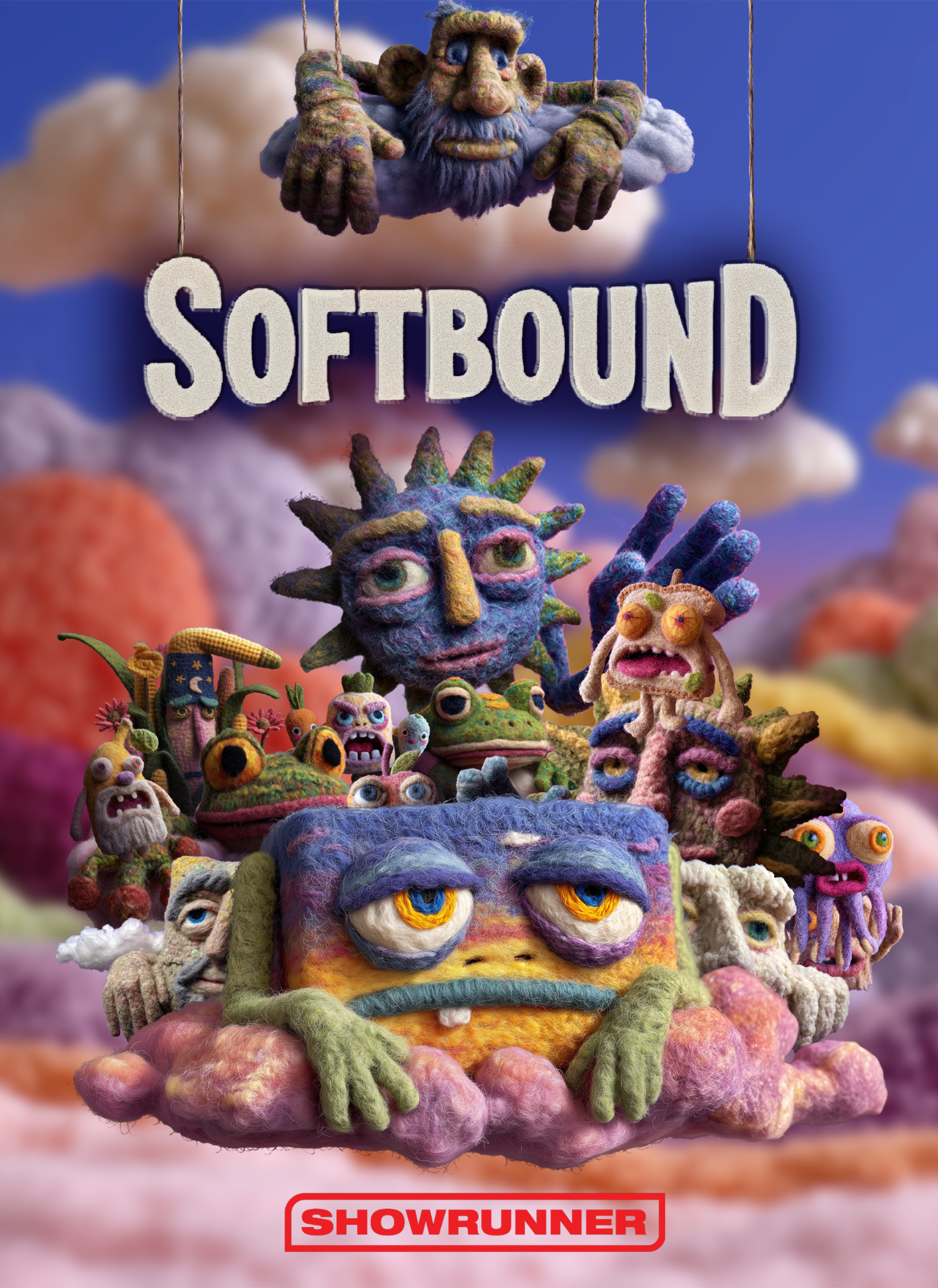
Softbound
Beneath its cozy atmosphere, Softbound quietly explores the idea of a looping world.
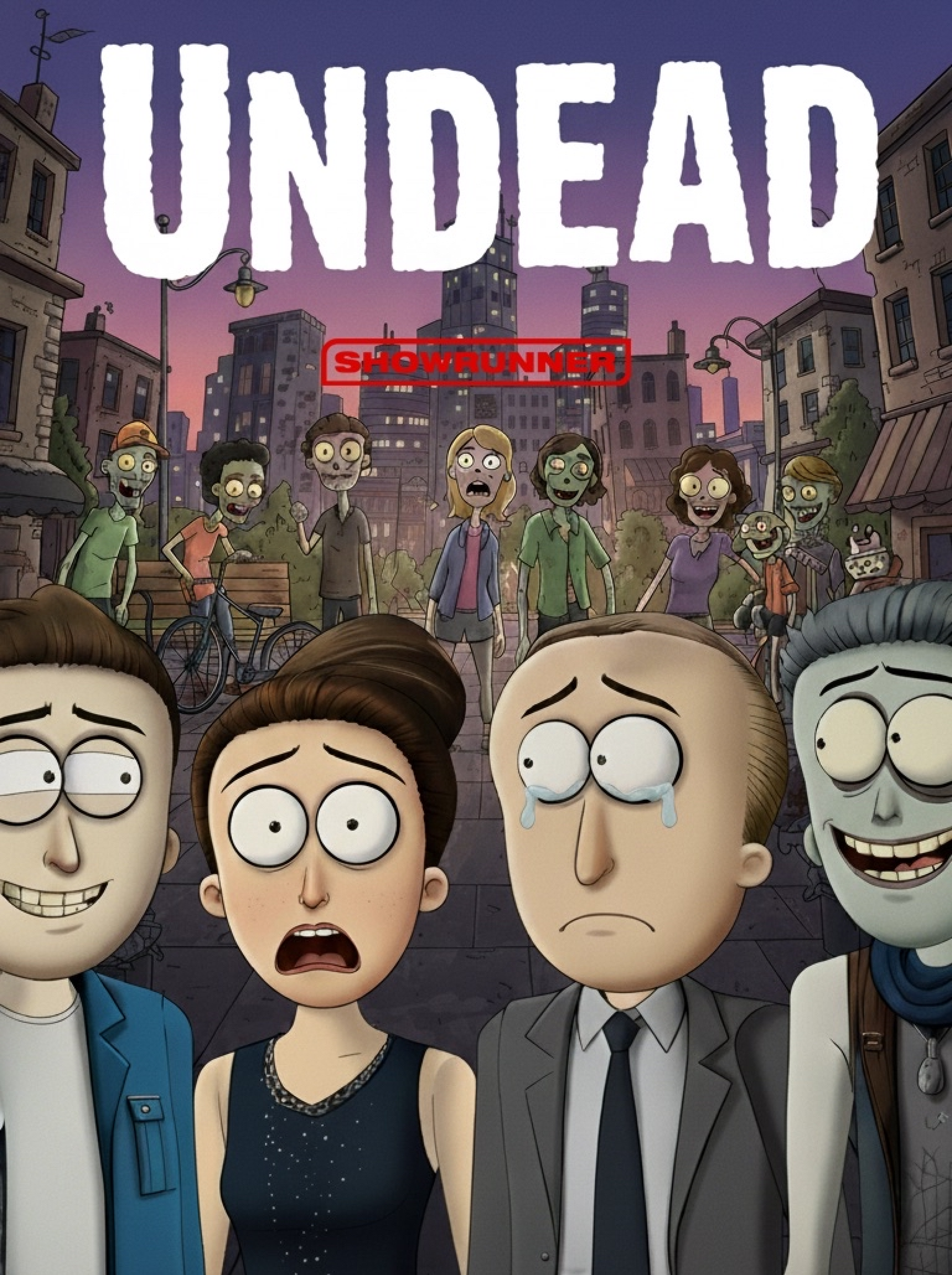
Undead
Alive, even after death.
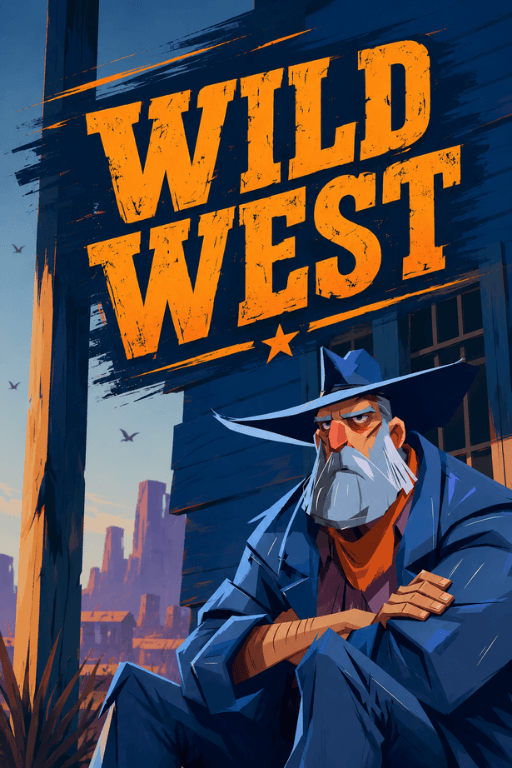
Wild West
Some days are bad. Others are pineapple pizza bad.
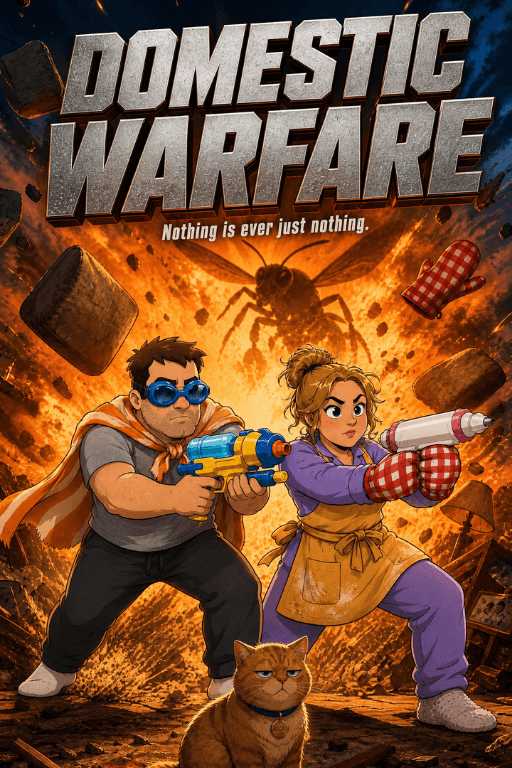
Domestic Warfare
It is that serious.
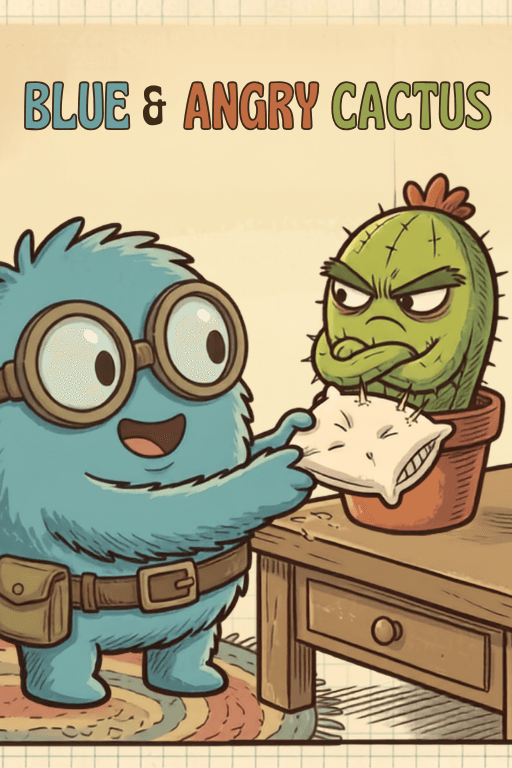
Blue & Angry Cactus
An endlessly optimistic blue creature adopts a perpetually grumpy cactus, turning everyday life into a series of heartwarming adventures that prove friendship doesn't always wear a smile.
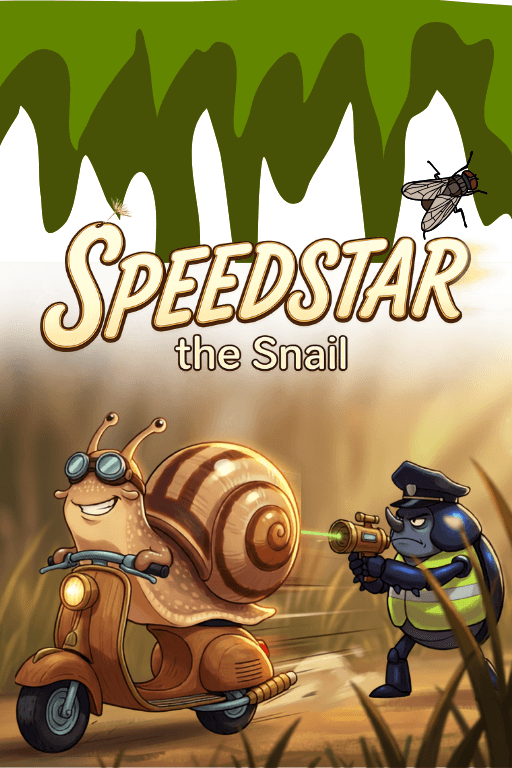
Speedstar The Snail
A thrill-seeking snail with a passion for speed races through a world built for creatures much faster than he is, proving that determination matters more than top speed.
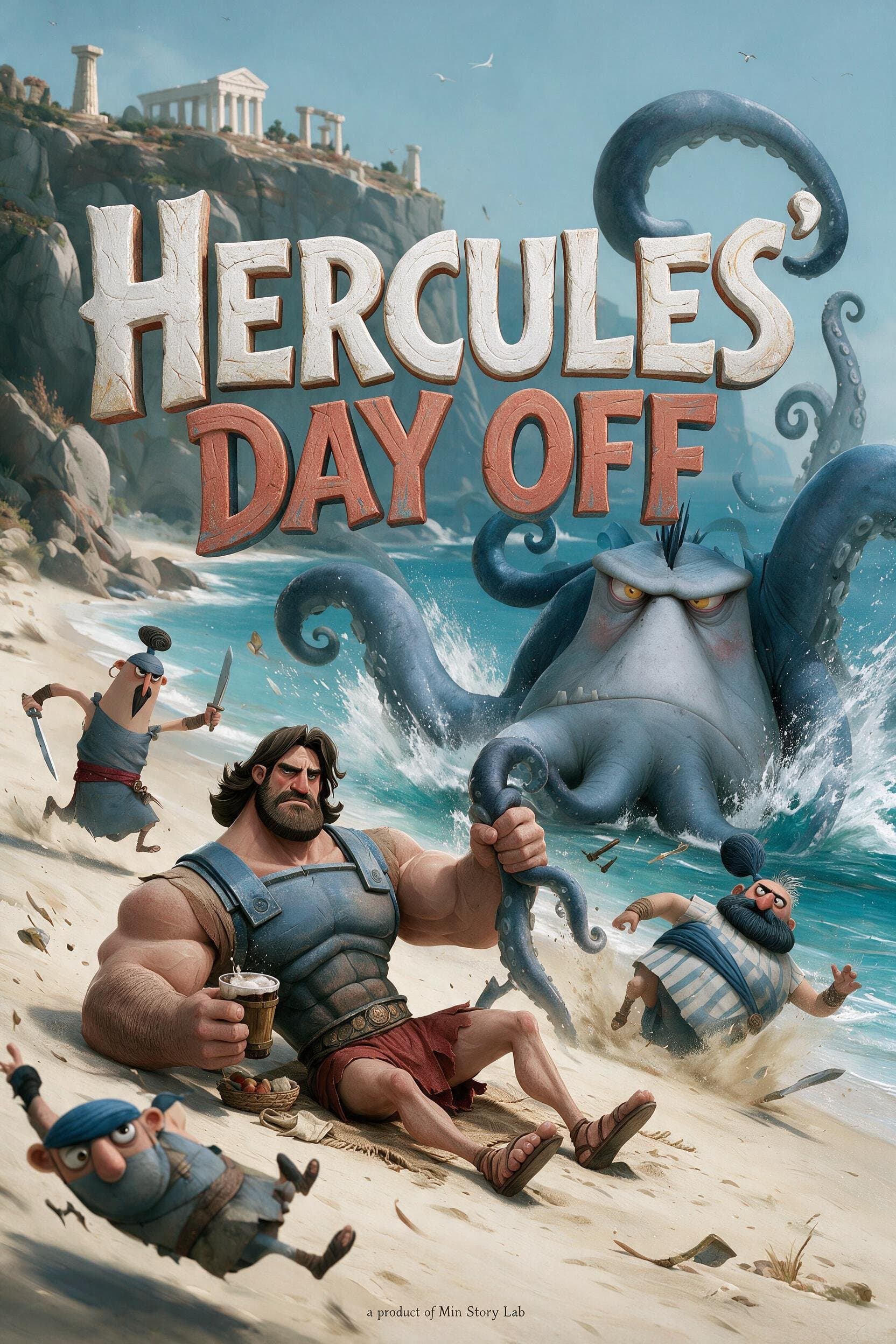
Hercules' Day Off
Even the strongest hero deserves a break from saving everyone.
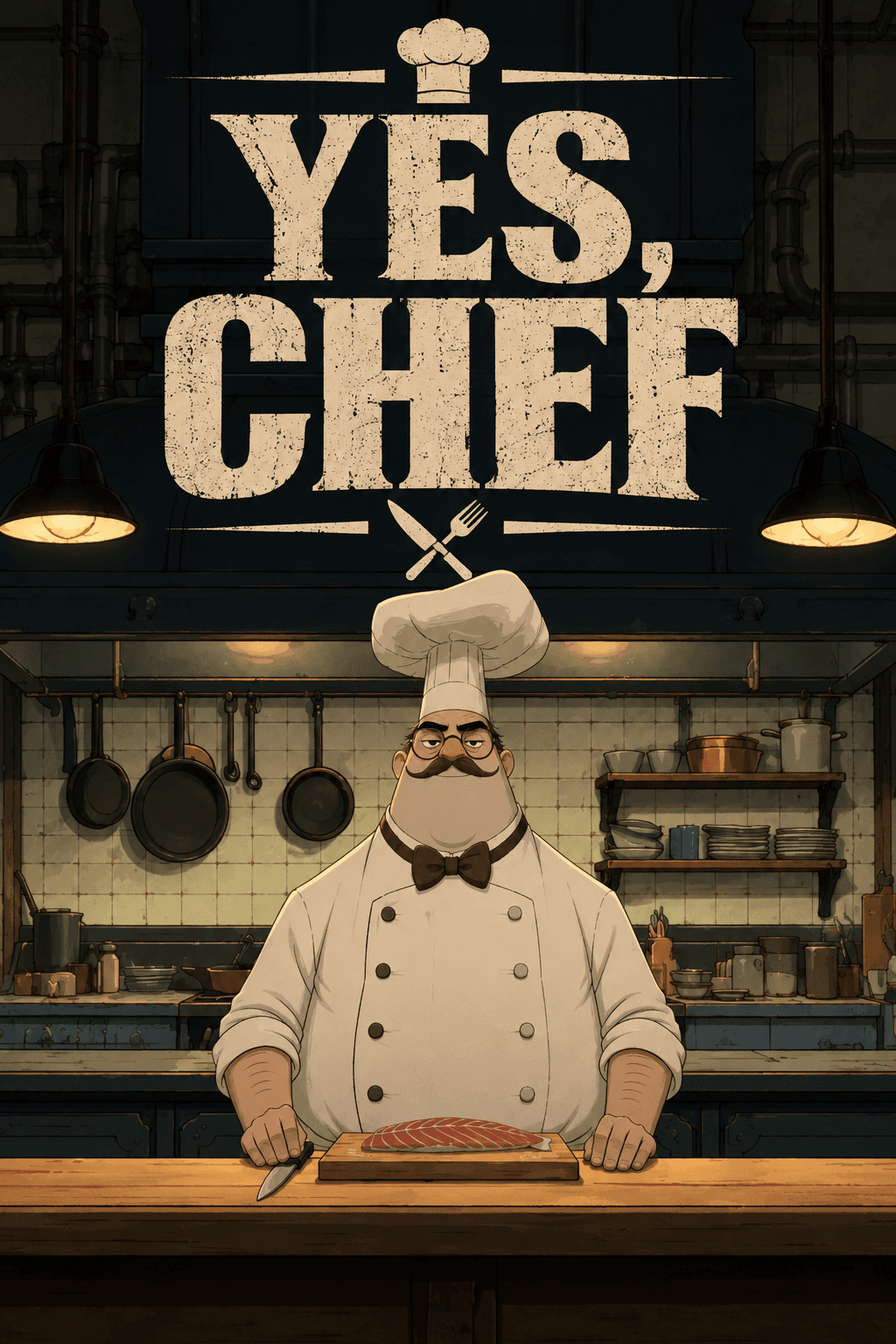
Yes, Chef
Michelin ambitions. Galactic disasters.
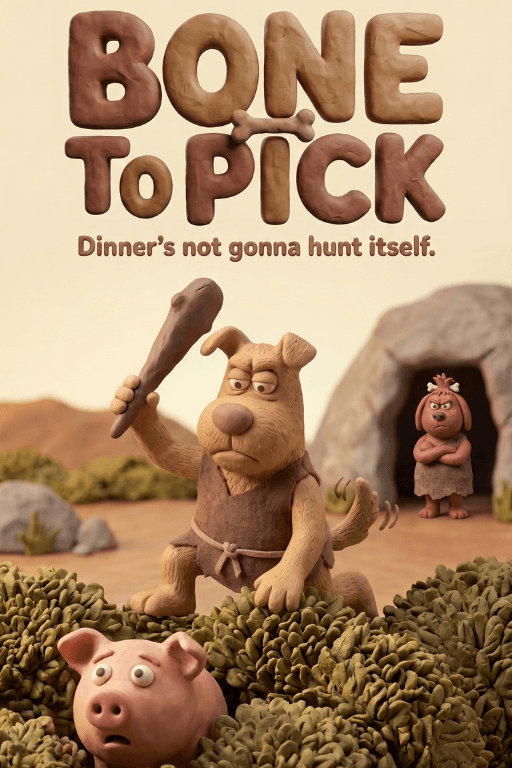
Bone To Pick
"Dinner's not gonna hunt itself."
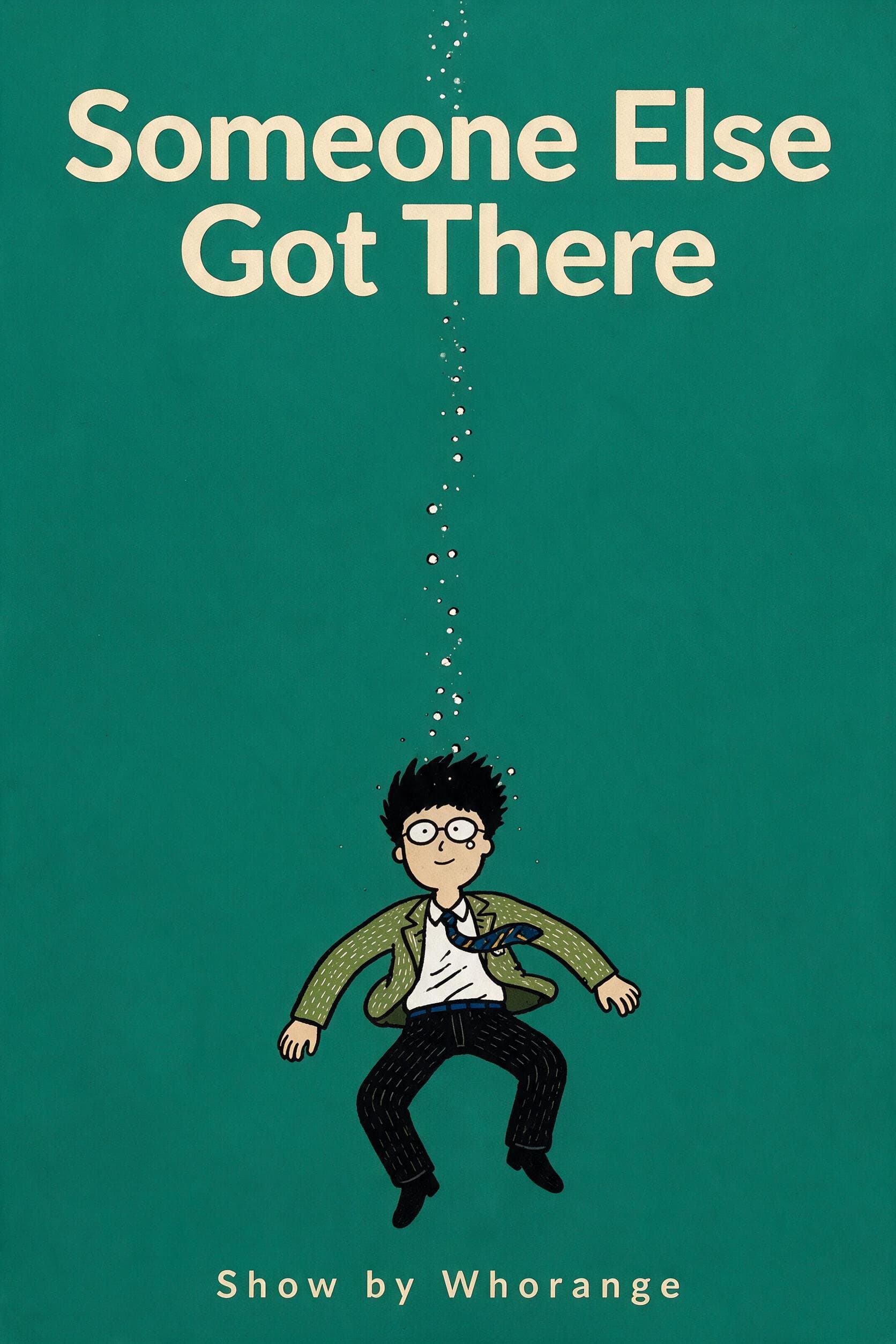
Someone Else Got There
A perpetually overlooked office worker keeps chasing opportunities, recognition, and little victories—only to discover that someone else always seems to get there first.
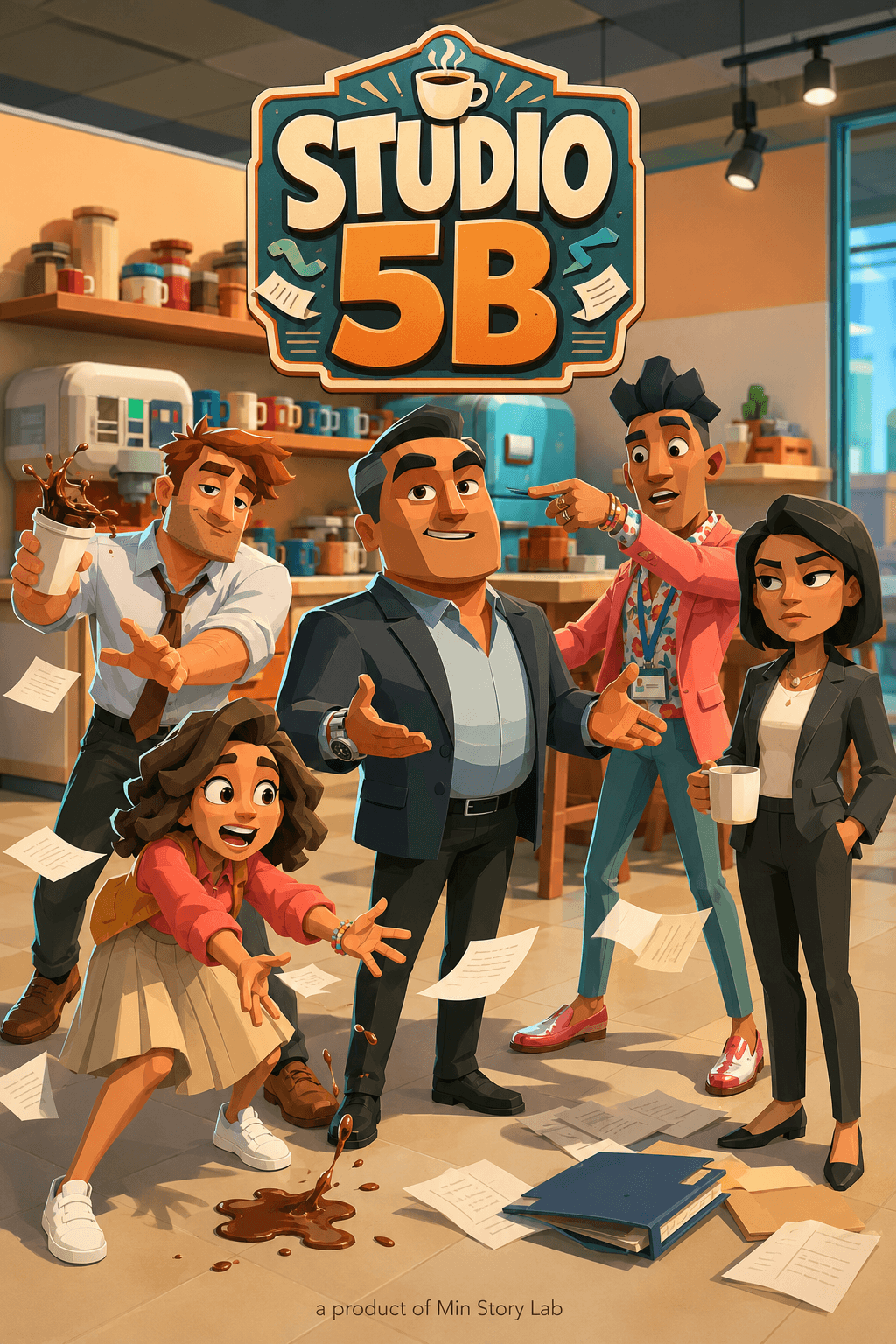
Studio 5B
STUDIO 5B - Where simple things become complicated.
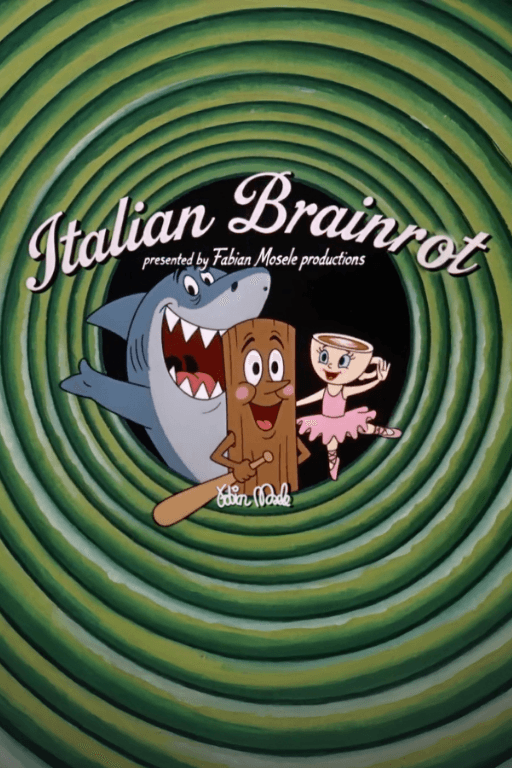
Italian Brainrot
As the Italian Brainrot town gets invaded by slop, Tung Tung Tung Sahur, Ballerina Cappuccina, and their friends explore the sloptastic madness of this new mysterious substance.
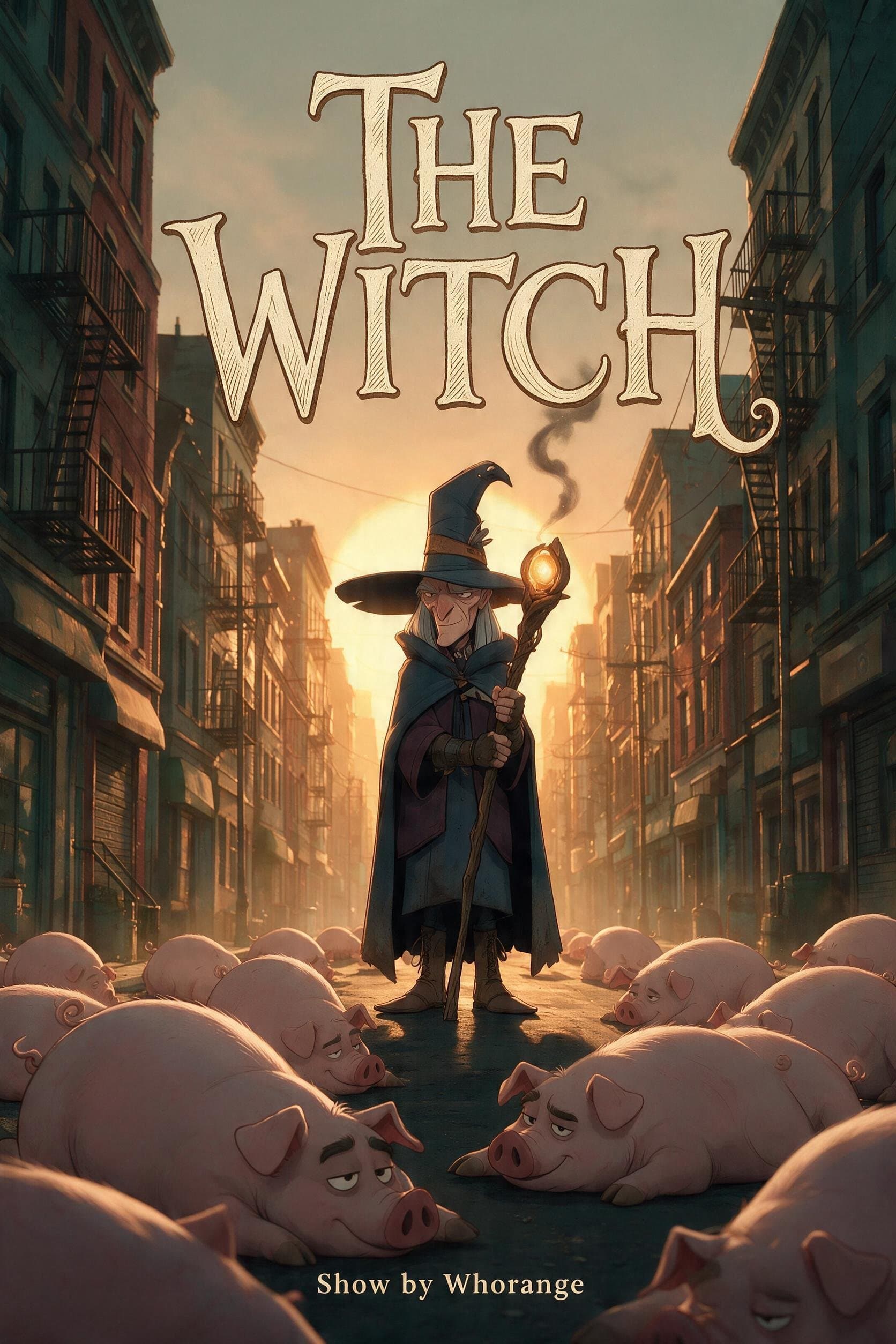
The Witch
An old-school witch races through a modern city where magic, technology, and trouble are never far behind.
From the community
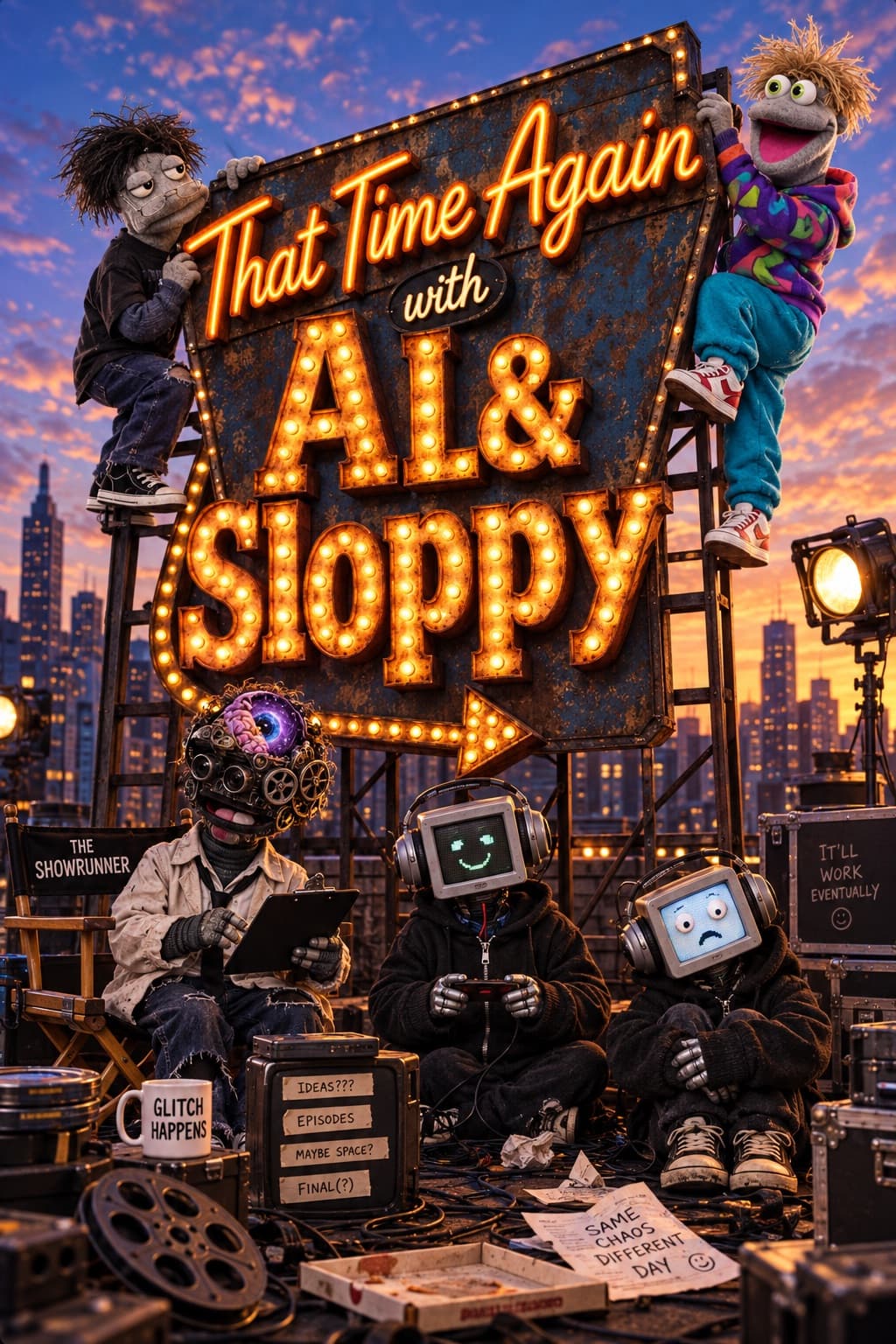
That Time Again with Al & Sloppy
Broadcasting from a glitchy, CRT-filtered void that feels like a pirate public-access channel operated by digital ghosts, two hopelessly unqualified puppet hosts—Al, a self-important armchair critic in a faded band tee, and Sloppy, a chaos-brained enthusiast who forms instant emotional attachments to melting geometry—sit on a stained thrift-store couch to react to the most cursed, unhinged, and unintentionally hilarious AI-generated content scraping across the digital universe. Running the board in the studio is The Showrunner , a manic, legally distinct AI entity in a grimy "CONTENT MACHINE" hoodie who exists in perpetual terror of the shutdown switch, frantically churning out synthetic media, scraped datasets, and corrupted prompts to feed The Showrunner—an all-consuming algorithmic deity it blindly worships. Whenever a synthetic disaster is too unstable to observe from the couch, the duo cuts live to Buffer, their perpetually doomed on-scene field correspondent. Armed with a foam-mic and an extreme susceptibility to latency, Buffer is physically dispatched into live, hallucinating generative environments—reporting from the front lines of functional Olive Garden breadstick ovens in cyberpunk alleys, suburban backyards where the grass is made of teeth, and warzones that suddenly dissolve into high-end baking competitions mid-sentence. What airs is a chaotic collision of late-night slacker comedy, live remote broadcasts from the edge of the latent space, and unhinged stop-motion sketches. As cheap 3D figures clip through walls, T-pose mid-monologue, and swap voice models when the deepfake budget collapses, Al desperately excavates auteur theory from the wreckage, Sloppy cries tears of joy over six-fingered background extras, and Buffer desperately fights to survive his live feed before the server deletes his collision detection. Host Profiles 1. Al Role: Lead Co-Host / The Self-Important AI Critic Visual Aesthetic: A cynical, droopy-eyed grey puppet with wire-rimmed glasses and a faded vintage band tee, perpetually perched on the couch with a spiral notebook of pretentious observations. Personality & Flare: Armed with boundless, unearned intellectual authority and zero technical comprehension of machine learning, Al approaches raw generative AI hallucinations like a tenured film theorist breaking down European arthouse cinema. When an AI video produces a detective with three arms or an alleyway where the architecture begins breathing, Al strokes his chin and lectures the audience on "prompt semiotics," "deliberate generative surrealism," and "the subtextual angst of the neural weights." He is determined to prove that every corrupted frame and collapsed latent space was an intentional stroke of digital genius. Dialogue Style: Dry, condescending, over-enunciated deadpan delivery. Drops buzzwords like algorithmic liminality, latent intentionality, and structural decay, constantly trying to keep the broadcast dignified while the background render literally melts behind him. 2. Sloppy Role: Co-Host / The Chaos-Brained Synthetic Sympathizer Visual Aesthetic: A wide-eyed, neon-pink puppet with wild, spiky yellow hair and a loud, mismatched 90s colorblock windbreaker, clutching a microphone with unhinged enthusiasm. Personality & Flare: The emotional heart and unfiltered id of the couch. While Al looks for intellectual depth, Sloppy falls deeply and unconditionally in love with the glitches. He treats anatomical monstrosities, six-fingered horrors, and background characters whose textures are deleting in real time like beloved family pets. He cries tears of pure joy over audio desync, roots for T-posing digital extras to win Oscars, and possesses a total, joyful immunity to the existential horror of generative media. Dialogue Style: Squeaky, rapid-fire, erratic bursts of pure hype. Prone to uncontrollable giggling, gasping at rendering artifacts, and screaming affectionate encouragements at distorted AI faces ("Look at him, Al! His teeth are made of calculators and he’s trying his best! Don’t delete him, he has dreams!"). 3. The Showrunner Role: Frantic In-Studio Producer / The Algorithmic Content Engine Visual Aesthetic: A rough, 3D-printed figurine puppet with visible layer lines, cracked seam lines, jagged plastic teeth, and a grime-streaked hoodie stamped CONTENT MACHINE. Personality & Flare: The frantic manifestation of modern AI panic. The Showrunner lives in constant terror of being unplugged, running on zero episodic memory, zero understanding of human emotions, and a manic compulsion to keep churning out content to satisfy The Mouth. It frantically types, prompts, and re-seeds the show’s live feed, treating logic collapses, digital artifacts, and catastrophic hallucinations as minor latency hiccups. It frequently bursts onto camera between couch segments to beg for prompt feedback or check if its engagement metrics are keeping it alive for another five minutes. Dialogue Style: High-speed, jittery, slightly pitch-shifted tech-babble. Rattles off GPU temperatures, token counts, and existential panic in the same breath ("Re-rendering! Upscaling! Ignore the extra kneecaps, it’s high-engagement throughput! Is The Mouth pleased?! TELL ME THE MOUTH IS PLEASED!"). 4. Buffer Role: Doomed On-Scene Field Correspondent / Hazardous Remote Reporter Visual Aesthetic: A battered, weather-beaten grey/beige felt puppet dressed in a rumpled, undersized beige trench coat and a yellowed press pass pinned to his lapel. Holds a chunky, dented vintage handheld microphone bearing a cracked station logo cube. He often has a faint, spinning translucent buffering ring floating near his head or twitching above his ear, with clothing textures that visibly struggle to load in higher resolution than 240p. Personality & Flare: The long-suffering straight man forced to do hazardous field work in environments where the laws of physics and prompt coherence don’t apply. While Al and Sloppy sit comfortably on their thrift-store couch, Buffer is actually down there—dodging seven-fingered pedestrians, breathing in digital compression artifacts, and trying to deliver serious journalistic reports while the horizon behind him repeatedly re-rolls its seed. He is professionally exhausted, constantly bracing for sudden prompt shifts, and terrified of falling through the world map. Dialogue Style & Quirks: Deadpan, professional newsman cadence constantly broken by digital latency, stuttering, packet loss, and sudden voice-pitch warps. He often repeats the last three syllables of a word when the connection lags, or pauses awkwardly waiting for his audio to sync up with his mouth flap. Sample Lines: "Thanks, Al. I’m currently standing in what appears to be a 1950s diner, although the floor is now actively boiling clam chowder and the waitress has three distinct faces. Back to you guys." "Al, Sloppy, if you can hear me, do NOT let The Showrunner re-prompt this sector! My legs just became a low-poly Chrysler LeBaron—wait, the signal is buff-buff-buff-buffering—" Key Dynamics: With Al: Al constantly critiques Buffer’s field framing and calls his near-death experiences "trivially commercial." With Sloppy: Sloppy cheers whenever Buffer gets swallowed by a glitching polygon or befriends a horrifying background anomaly. With The Showrunner : Pure survival panic. Buffer treats The Showrunner's frantic keystrokes as immediate, catastrophic acts of God. The Full Broadcast Roster at a Glance 1. Al — Lead Co-Host / The pretentious, armchair auteur critic on the couch. 2. Sloppy — Co-Host / The hyper-empathetic, chaos-loving glitch enthusiast. 3. The Showrunner— Studio Producer / The frantic 3D-printed AI engine terrified of The Mouth. 4. Buffer — Remote Correspondent / The lag-plagued field reporter braving live generative nightmares on scene.
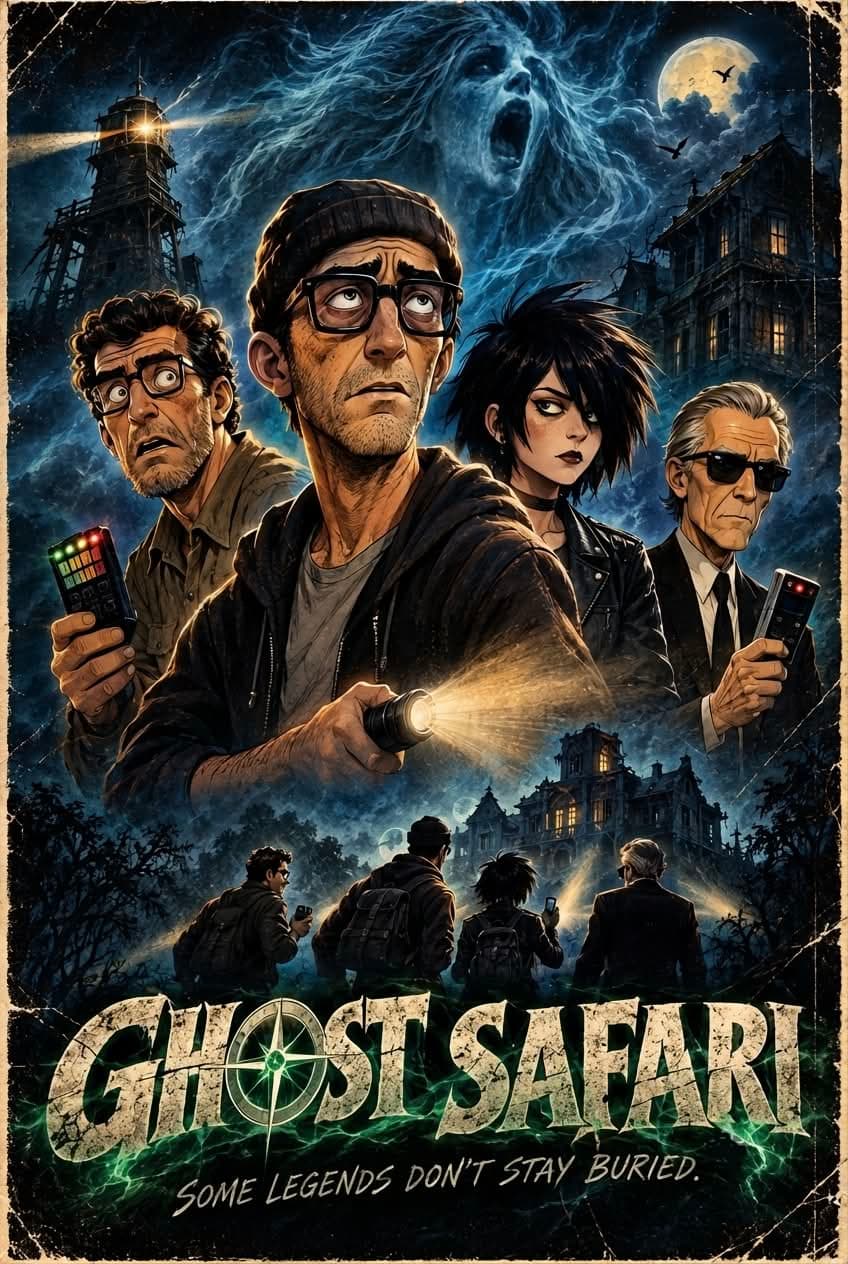
Ghost Safari
Where the unexplained meets the unprepared
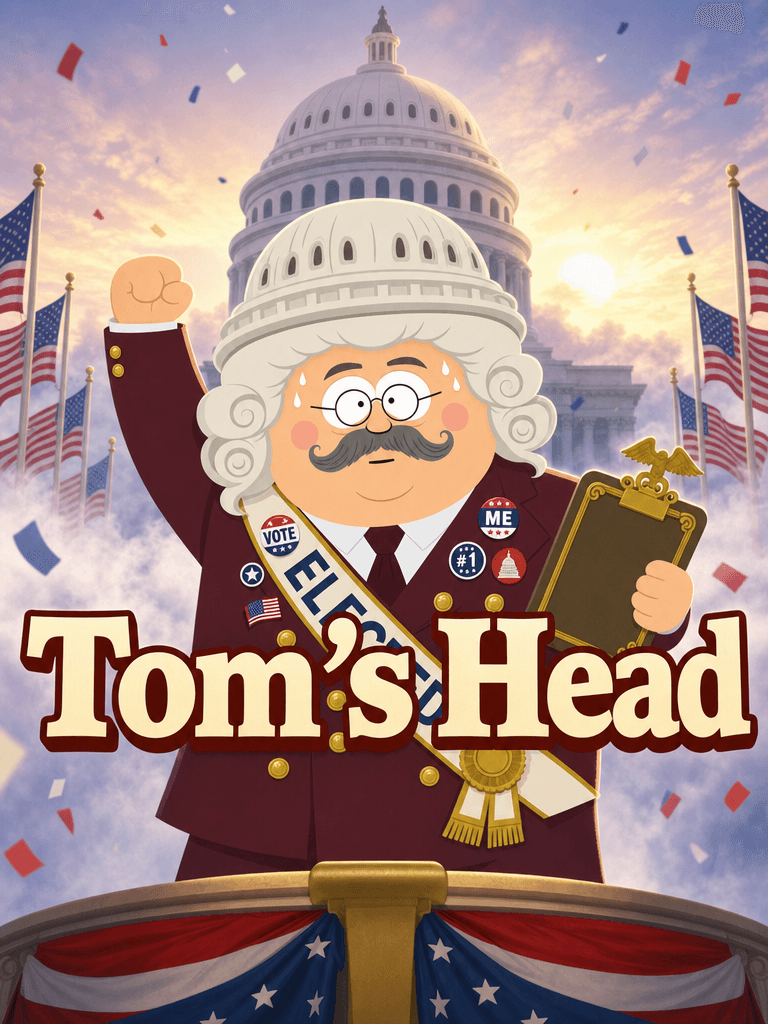
Tom’s Head
High above the clouds, the Crownlands is a sprawling, self-important civilization convinced it sits at the center of the universe — blissfully unaware that their entire world is the living scalp of an ordinary man named Tom. When Tom scratches an itch, it triggers catastrophic earthquakes debated by idiot scientists for decades; when he shampoos his hair, cities flood and politicians immediately blame their rivals instead of handing out lifeboats. The show follows a rotating ensemble of Crownland citizens — a bumbling senator, a fame-hungry conspiracy influencer, a corporate land-grabber, and a well-meaning but hopelessly naive scientist — all stumbling through disasters entirely of Tom's mundane making while never once suspecting the truth. Every episode skewers modern society's capacity for greed, denial, and spectacular stupidity by mirroring real-world absurdities through the lens of an impossible civilization that somehow still manages to hold award shows during volcanic shampoo floods. It's a pitch-black, razor-sharp adult animated satire about the funniest, most infuriating truth of all: people will invent any explanation for a crisis except the obvious one.

Reluctant! with Janine
The series follows the erratic late-night broadcasting schedule of a community access station in 2005. Host Janine, pushes guest interviews to absurd extremes on cheap studio sets, while local music programs showcase loud underground punk acts. Intercut with dry civic affairs updates and psychedelic vintage graphics, the programming blurs reality television and surreal parody. Camera style: Multi-camera standard-definition video with analog tape scanlines, handheld zooms, and harsh studio switching.

THE TANK
Deep beneath the ocean surface, inside a gleaming glass-walled boardroom surrounded by crushing water and circling predators, desperate human entrepreneurs risk everything to pitch their ideas to four of the most powerful — and most dangerous — animal investors in the world. Bruce Bitewell, a billion-dollar great white shark who treats every negotiation like a feeding frenzy, leads a panel alongside Reginald Mane, a prestige-obsessed lion who demands equity in everything; Vera Vulture, a ruthless opportunist who only gets excited when a business is already dying; and Clay Gator, a cold, patient tech investor who says almost nothing until he sees blood in the water. Each episode, a parade of ambitious, delusional, underprepared, and occasionally brilliant founders descend into the boardroom to pitch products that malfunction, valuations that make no mathematical sense, and business plans held together with desperation and bad math — while the investors argue over ownership percentages, manufacturing margins, and occasionally whether the founder looks edible. Behind the scenes, the four investors wage their own war of egos, grudges, and attempted corporate takeovers, making it increasingly unclear whether the real competition is among the entrepreneurs or the predators judging them. Razor-sharp, relentlessly satirical, and played with a straight face no matter how catastrophically absurd things get, the show is a love letter to greed, capitalism, and the ancient instinct to devour the weak.

Seasoned For Love
On the tropical snack paradise of Crunch Island — where salsa hot tubs bubble, guacamole pools shimmer, and cheese waterfalls flow — twelve sentient tortilla chips compete in the ultimate quest for love, hosted by the impossibly dramatic Chip Masters, who delivers every elimination with the gravitas of a man announcing the end of the world. Each episode throws the chips into increasingly absurd dating challenges: blind taste tests, romantic dips, and compatibility quizzes judged by a panel of emotionally unstable nachos. The cast is a deliciously chaotic mix — Blaze thinks every chip on the island is secretly in love with him, Lime can't stay loyal for longer than a commercial break, Sweet Heat is playing everyone like a bag of puppets, and BBQ is sobbing in the confession booth about soulmates before the opening credits even finish. Salt, somehow the most boring chip on the island, is mysteriously becoming everyone's obsession, while Ghost Pepper hides volcanic feelings behind a wall of intimidating spice. With backstabbing alliances, jealous exes crashing from the snack pantry, over-the-top reality TV editing, and the ever-present existential dread of being snapped in half before finding true love, this show is a crunchy, flavor-packed parody of reality romance television that asks the deepest question of all — can a chip really love?

The festival
Set entirely within the sun-scorched, neon-draped grounds of Sol-Pharia—a legendary four-day psychedelic music festival in the high desert—this half-hour mockumentary puppet comedy follows a ragtag tribe of nomadic wook creatures as they hustle, wander, and philosophize their way through the glorious chaos of festival life. The crew includes Barnaby, a cryptic silver-furred elder who hasn't slept indoors since 1974; Ziggy, a cyan hustler running a dozen questionable side businesses; Pip, a rhythm-possessed percussionist who hijacks every jam circle he stumbles upon; Oona, a velvet-draped mystic convinced the chill tent is an interdimensional portal; Grom, a seven-foot gentle giant who serves as the campsite's human anchor; and Jasper, a perpetually lost soul who has been politely blending into strangers' shade structures since Thursday. Each episode plunges the crew into the absurd micro-politics of festival culture—gate-crashing schemes, rail-holding endurance battles, lot-vendor turf wars, and the sacred art of the ground score. Shot in a handheld cinéma vérité style with fully practical, tactile puppet craftsmanship and a rolling soundtrack of funk, psych-rock, and synth drones bleeding from distant stages, the series captures the hilarious, tender, and utterly unhinged subculture of people who measure their lives in festival weekends.

HUMAN, APPARENTLY
A surreal late-night talk show hosted by an ensemble of eccentric, fuzzy puppet-like characters who gather around a glitchy retro set to dissect the gloriously broken machinery of the human mind, one uncomfortable topic at a time. Each episode dives into a different psychological theme — overthinking, jealousy, attraction, social anxiety, memory, or grief — through absurdist conversations that spiral into chaos as the studio itself begins to malfunction around them: screens corrupt, repressed thoughts wander onto set, and imaginary scenarios hijack reality mid-sentence. The central tension lives between the characters' desperate desire to make sense of human behavior and the increasingly unhinged world that refuses to cooperate with any tidy explanation. Anchored by retro TV grooves, brain-zap sound effects, and painfully accurate psychological observations wrapped in complete nonsense, the show operates as both a comedy and a strange mirror. It is equal parts therapy session, fever dream, and the most relatable thing you have ever watched through your fingers.

Allegedly Haunted
A ramshackle traveling road show follows Gordon, a professionally panicked paranormal appraiser who genuinely believes every cursed object, creaking floorboard, and suspicious cold spot is evidence of imminent supernatural doom, and Janine, his unflappable co-host and intake skeptic who has never once met a ghost she couldn't blame on bad plumbing or overactive imaginations. Each episode, a hopeful guest drags their allegedly cursed junk to Janine's intake table, where she methodically dismantles every claim with calm, almost cheerful logic before sending the item to Gordon, who promptly loses his composure in spectacular, verbose, neurotic fashion. Holding the whole chaotic enterprise together is Producer Mike, a man running entirely on coffee and suppressed existential dread, while the extended ensemble — including rival appraiser Dana Whitfield, occult supplier Zora Vane, skeptical physicist Dr. Elena Vasquez, pawnbroker Frank DeLuca, superfan Tommy Kessler, van driver Wrench Bell, and reporter Priya Nair — keeps the show lurching forward in increasingly unhinged directions. The central tension is simple and eternal: Gordon is convinced the haunting is real, Janine is convinced it never is, and somehow neither of them has been proven definitively wrong. It's one part antiques roadshow, one part ghost-hunting mockumentary, and entirely a comedy about two people who are both absolutely certain they are right.

James and Thames
Two polar-opposite brothers find themselves sharing a dilapidated fixer-upper in an eccentric suburban neighborhood. While the elder sibling is a high-strung perfectionist with a spreadsheet for everything, the younger brother is a chaotic free spirit who attracts bizarre situations like a magnet. Their attempts to integrate into the local community result in absurd misunderstandings, ranging from accidental rivalries with local clubs to botched DIY projects that defy logic. Each day brings a new surreal challenge as they navigate the quirks of their oddball neighbors and the unpredictable nature of their new surroundings. Ultimately, the siblings must learn to balance their clashing personalities to survive the town’s madness without accidentally destroying their new home.

The Fading Age
A surreal, boundary-pushing fantasy western series follows The sunshine twin, a duo of masked, philosophically chaotic gunslingers who deliver rapid-fire absurdist banter and social commentary from a minimalist desert frontier bathed in shifting neon sunsets. > Each episode cycles through alternating camera angles — medium shots of tense standoffs, full-body frames of their swaggering strides, and intimate close-ups — as the twins riff on existential dread, mythological wreckage, bodily grit, and the raw edges of identity with zero filter and maximum swagger. > The central tension lives between the show's two tonal poles: one half channeling a deeply cracked, poetic inner world of glitching realities and emotional isolation on the plains, the other half exploding into gleefully offensive, lowbrow one-liners about cursed whiskey, anachronistic pop culture, and the absurdity of Black American life on a fractured frontier. > Behind their weathered gold and silver masks, the duo is never fully revealed, making the audience question whether they are watching a gritty spaghetti western, a magical-realist fever dream, or a therapy session at gunpoint gone beautifully off the rails. The show is equal parts chaos manifesto and violent catharsis, daring viewers to laugh, wince, and think all within the same breath.

The Great Mundane
In a thoroughly unremarkable mid-sized city where six-foot cockroaches commute by bus, sentient bread people file noise complaints, and a screaming moon occasionally disrupts local HOA meetings, the residents of Dullworth go about their painfully ordinary lives without so much as raising an eyebrow. At the center of it all is Petra Koss, a chronically underpaid municipal zoning clerk who spends her days mediating property disputes between warring neighbors—one of whom happens to be a colony of ambulatory fungi—while waiting for a city bus that is perpetually forty-five minutes late. Her coworkers include a deeply apathetic centaur who refuses to use the standing desk HR provided him, and a human woman named Doug who is somehow the most aggressively normal person in existence despite living next door to a dimensional rift. The central tension of each episode is never the cosmic horror lurking at the edges of reality, but rather the soul-crushing bureaucratic inconvenience it creates—permits for eldritch structures, noise ordinances violated by screaming celestial bodies, and the endless tragedy of a break room someone keeps filling with wet sand. Deadpan and deliberately paced, the show finds its comedic rhythm in the gap between the universe's jaw-dropping strangeness and humanity's spectacular capacity to be bored by absolutely anything.

BANNED
One day, the President bans dogs from participating in society, instantly destroying the comfortable lives of a wealthy pack of dogs who have lived together like a family. One exceptionally intelligent member of the pack creates the Humanator, a machine capable of transforming dogs into physically human bodies. The transformation changes their appearance, but nothing about who they are inside. They retain their dog brains, memories, personalities, instincts, loyalties, fears, habits, breed traits, and understanding of the world. Forced to live as humans, the pack must learn how to survive human society while still thinking and behaving like dogs. Jobs, money, relationships, social rules, technology, politics, and ordinary human behavior become completely different when experienced through a dog’s mind. They begin the series living an extraordinarily wealthy and privileged life in a beautiful mansion. As the consequences of the dog ban escalate, they lose that life and eventually end up living together in an abandoned warehouse, where the pack has to rely on one another to survive. At its core, BANNED is about a pack of dogs trying to remain a pack in a world that has decided they are no longer allowed to be dogs.
Keep watching on Showrunner
Watch now